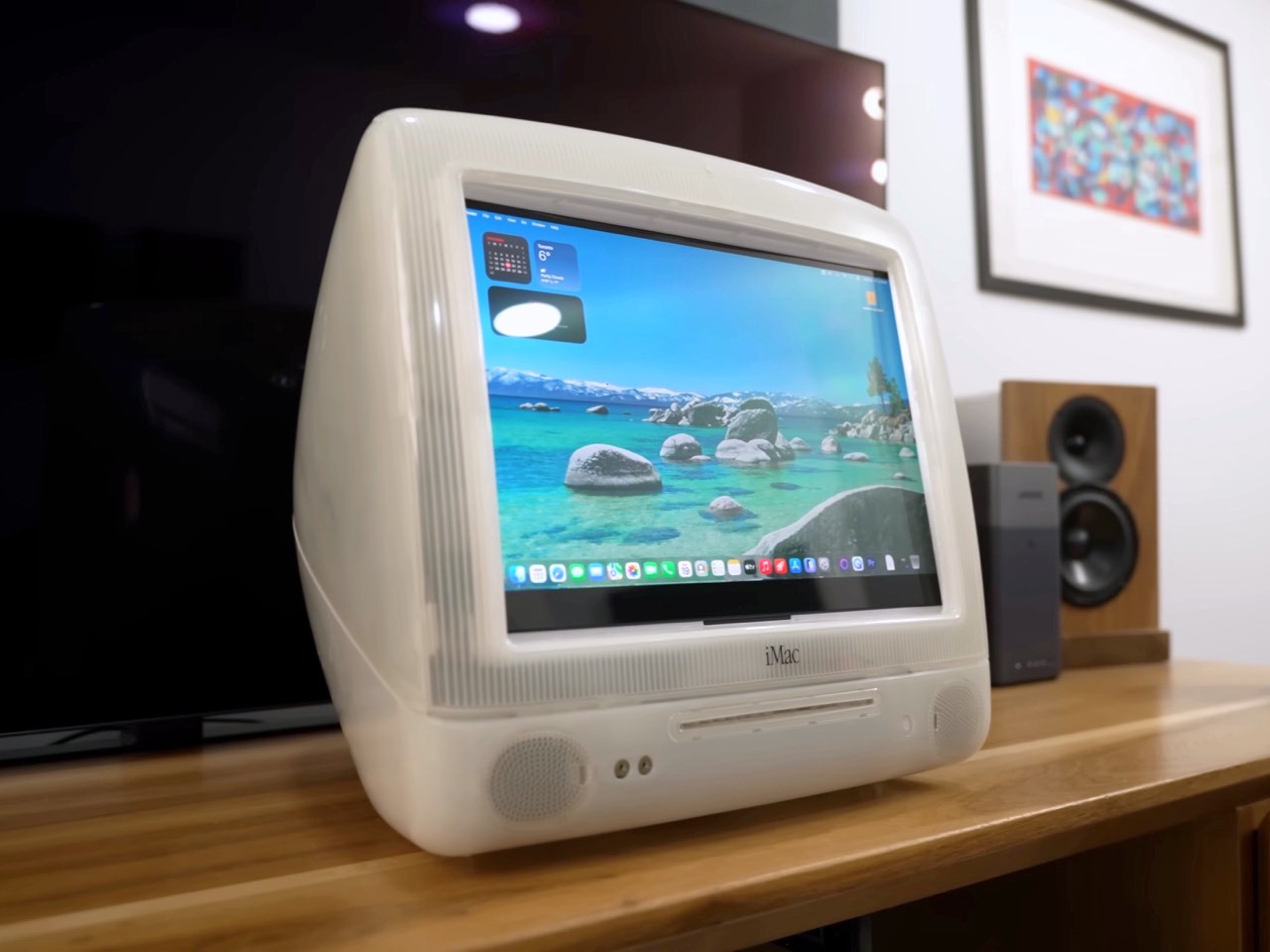
Remember the Apple iMac G3? Those translucent, candy-colored bubble machines were everywhere in the late 90s and early 2000s. Steve Jobs and Jony Ive turned computing into something you’d actually want on your desk, and suddenly schools, offices, and homes were full of these things. For a lot of people, this was their first real computer.
But try using one today and you’ll understand why they’re mostly decorative now. The CRT screen hurts to look at, the processor moves like molasses, and those integrated speakers that seemed so premium back then sound absolutely terrible. That’s what makes Zac Builds’ recent project worth paying attention to. He took an iMac G3 shell and rebuilt it with current hardware, keeping everything that made the original iconic while fixing everything that makes it painful to actually use.
Designer: Zac Builds
The teardown shows just how strange these computers were. Apple used pressed-form RF shielding that looked genuinely sculptural, completely functional but designed to look cool even though nobody would ever see it. Then there’s the CRT, which can store lethal amounts of energy months after you unplug it. After carefully discharging the tube and pulling out all the original components, Zac had that famous shell and a whole lot of empty space to work with.
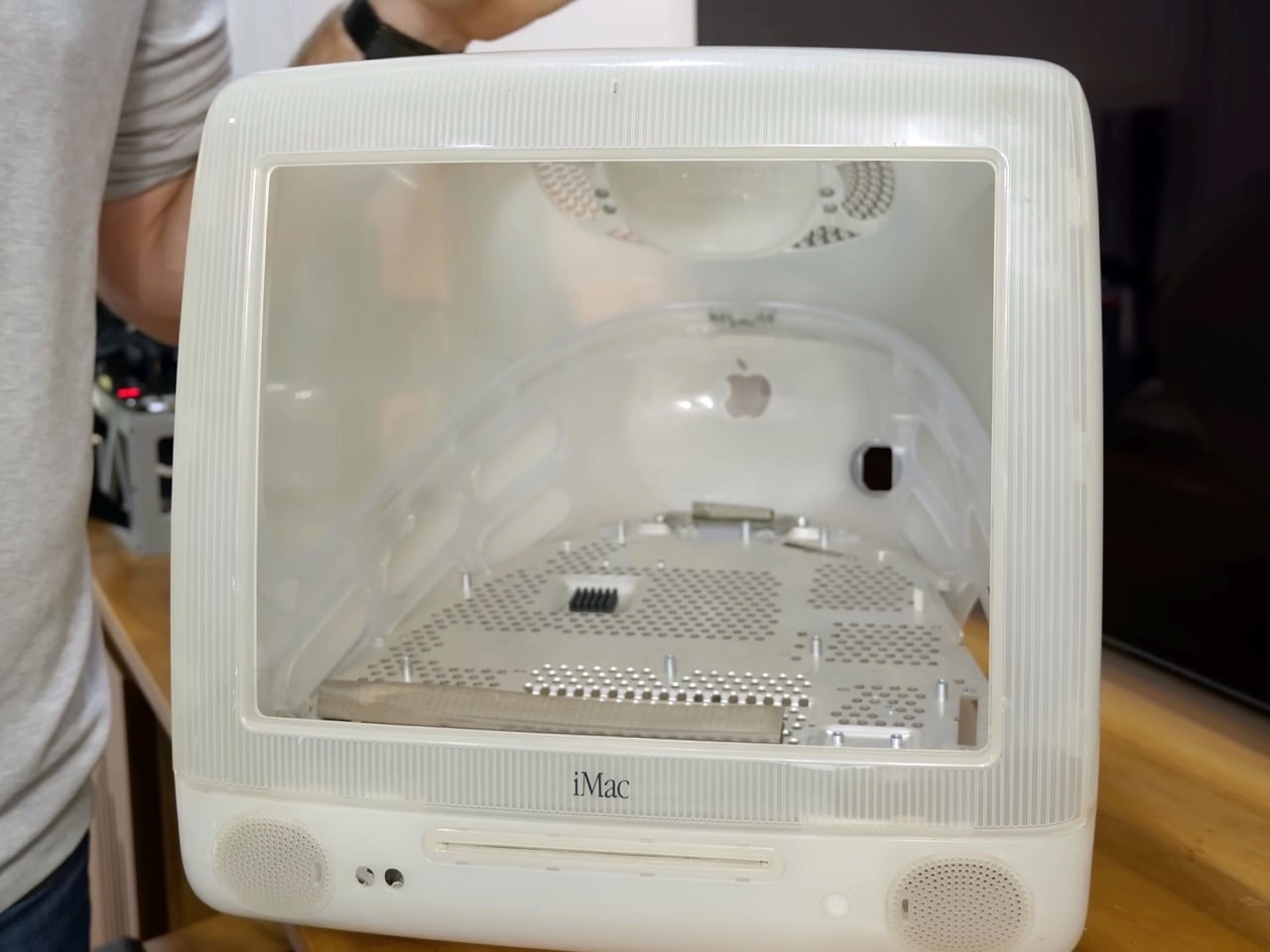
Removing everything created a structural problem. The case was basically held together with clips, so Zac 3D-scanned all the remaining parts to create precise digital models. He designed custom posts to properly connect the top and bottom halves, plus replacement clips where the old plastic had crumbled. He even tracked down the right 3D printing filament to match Apple’s original translucent plastic, testing physical color swatches until he found Bambu’s transparent PETG.
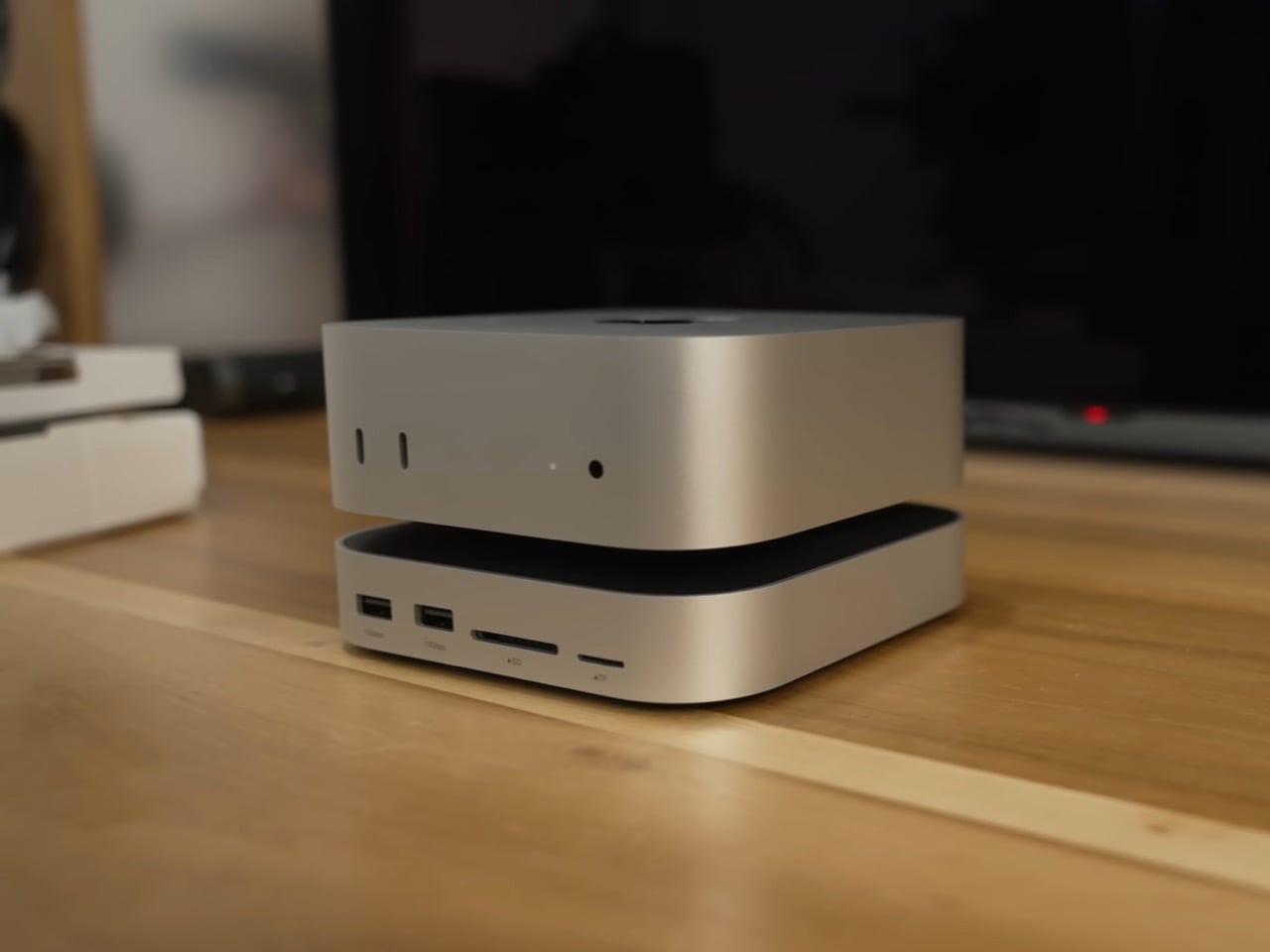
The core of the build is an M4 Mac Mini. Apple’s M-series chips have turned out to be legitimately good. They’re efficient, compact, and powerful enough for serious work without turning into space heaters. The base $599 model delivers solid performance, though Apple still charges obscene amounts for storage upgrades.
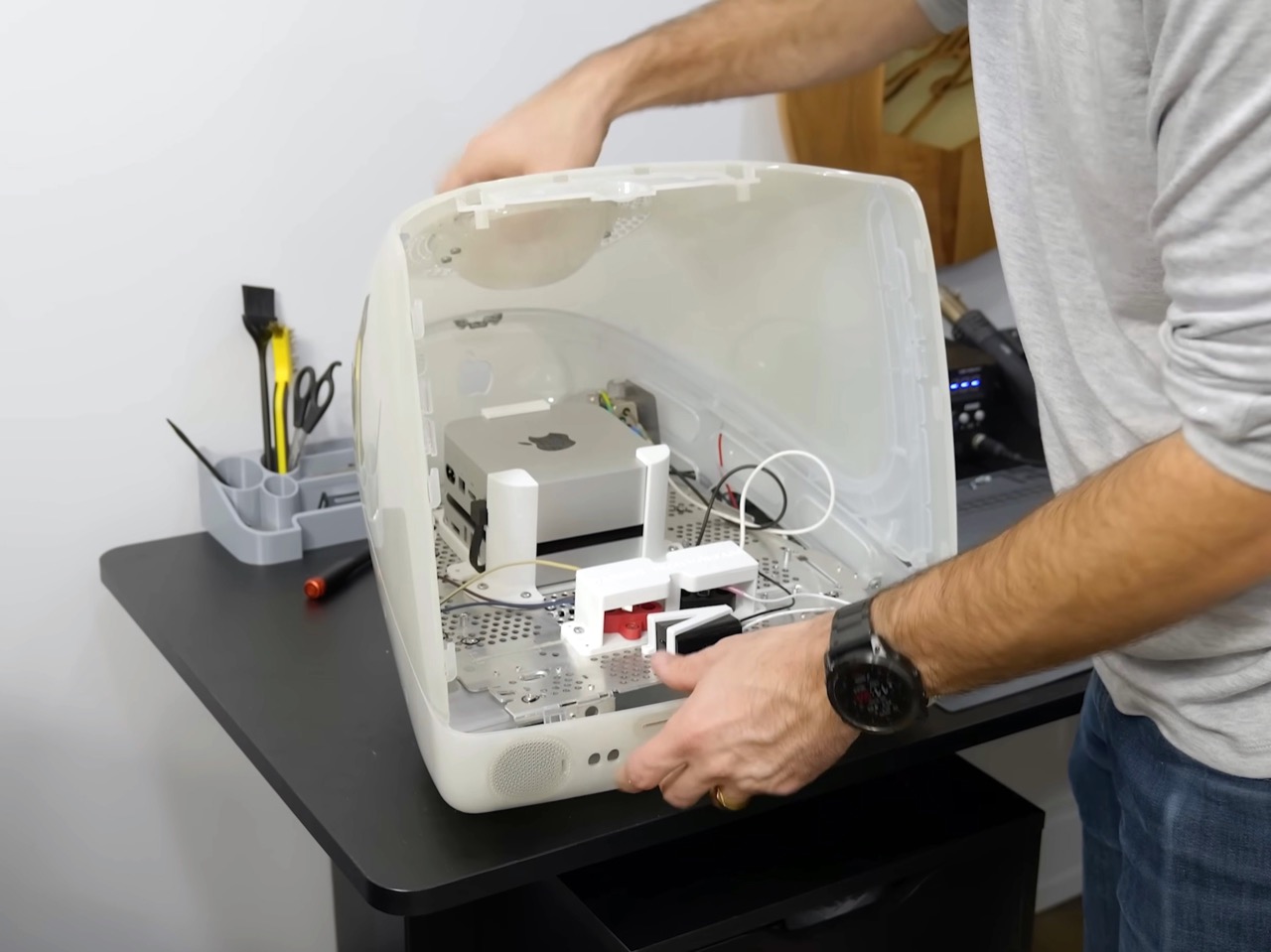
Zac addressed storage with three different solutions. First, he upgraded the internal NVMe drive. The Mac Mini’s storage isn’t soldered, which is unusual for Apple, though it uses a proprietary format and requires another Mac to restore the system via DFU mode. Apple’s documentation even gets it wrong, saying not to use a Thunderbolt cable when that’s actually what makes it work. Second, he added a UGREEN hub that plugs into the Mac Mini and has its own NVMe slot underneath, adding 2TB in about 15 seconds. Third, he connected a UGREEN NAS for bulk storage, supporting up to 60TB without subscription fees.
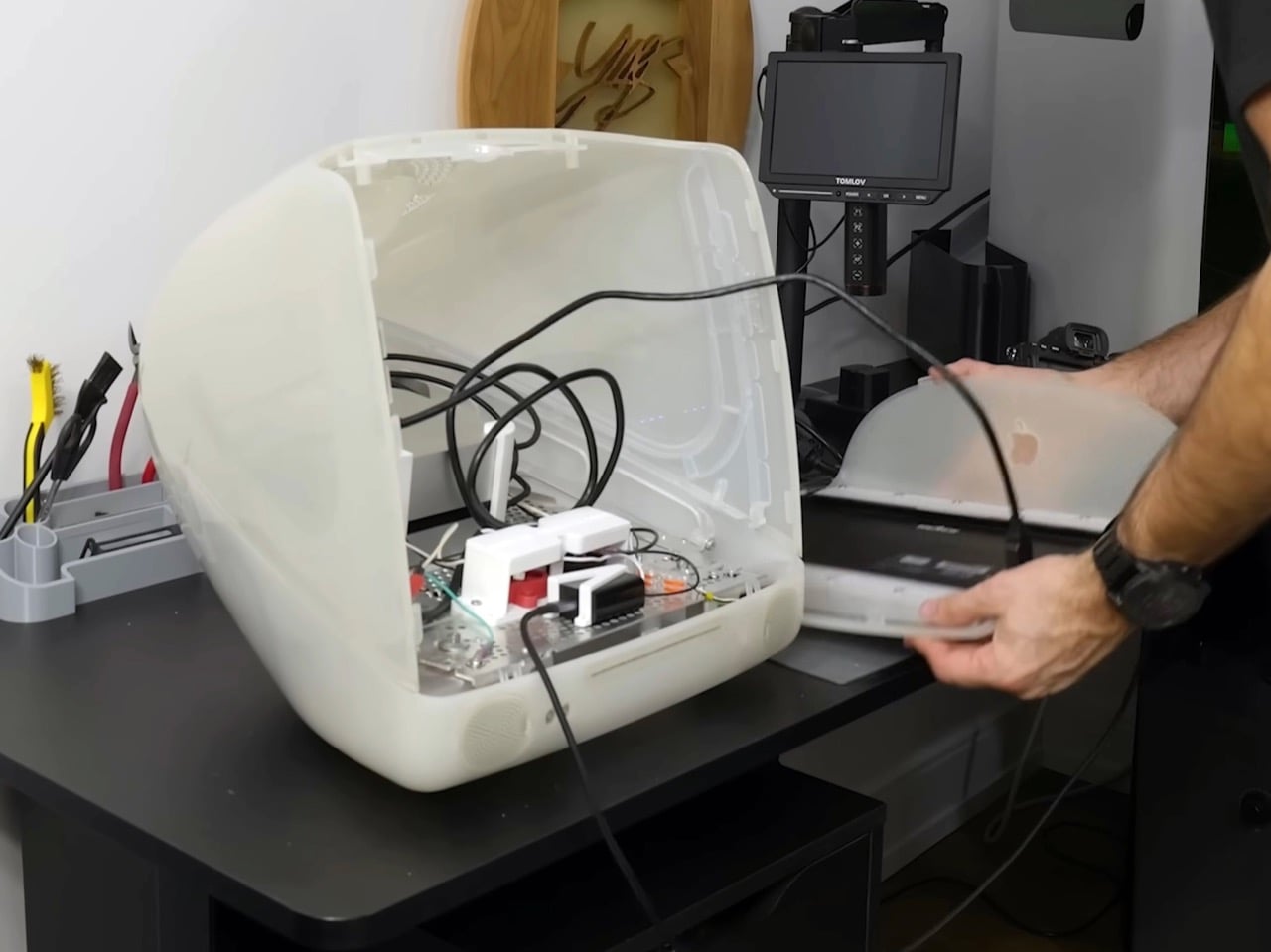
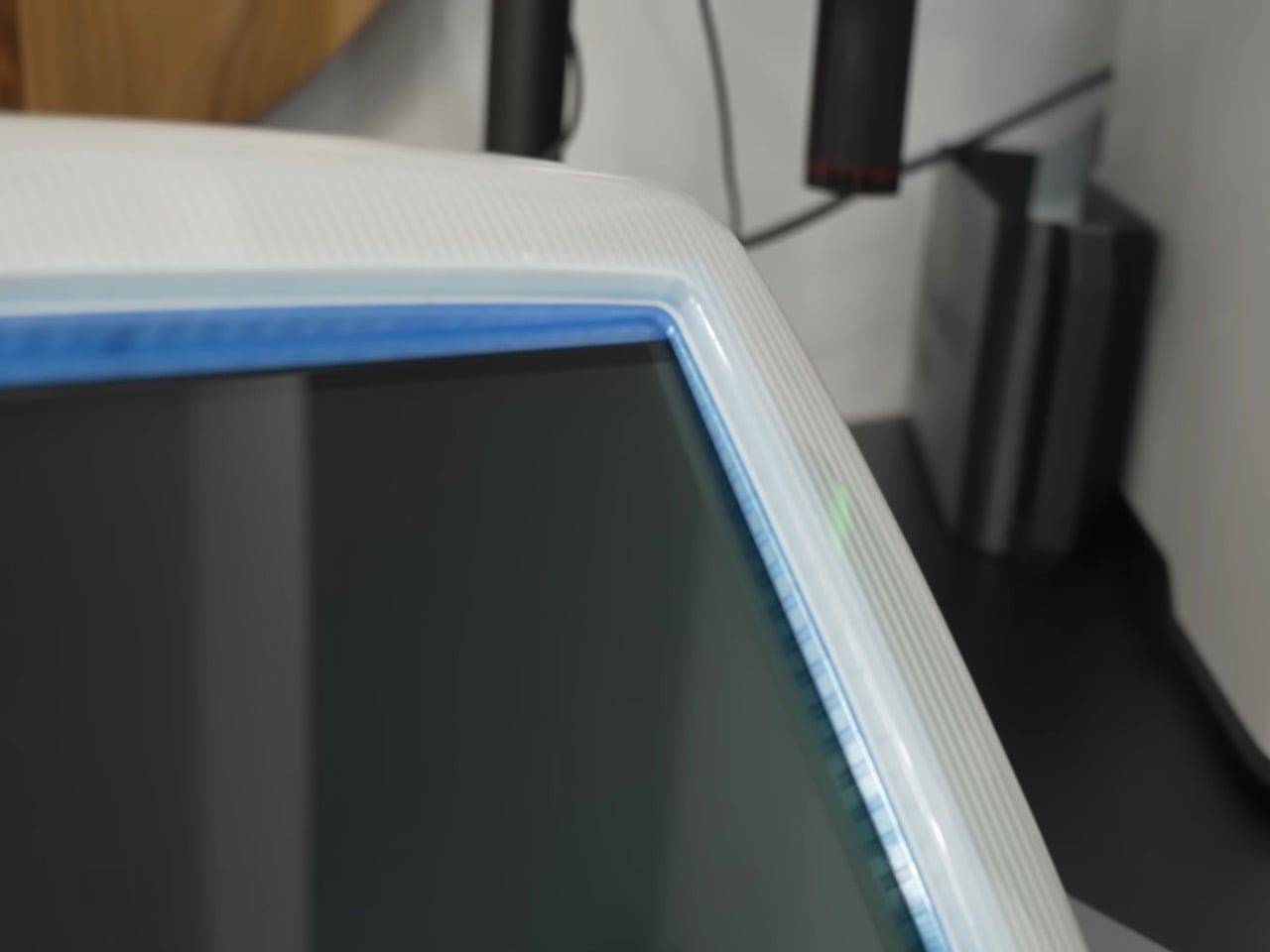
The display replacement required some creative problem-solving. Finding a modern screen that fits the G3’s curved opening while maintaining that retro 4:3 aspect ratio is basically impossible. Zac went with a 14-inch 4K OLED at 16:10, then designed a custom interposer frame to bridge the gap between the flat screen and the curved case. Getting that transparent frame to look right meant using CA glue without accelerator spray, which takes 8+ hours to cure but avoids the foamy expansion you’d see through clear plastic.
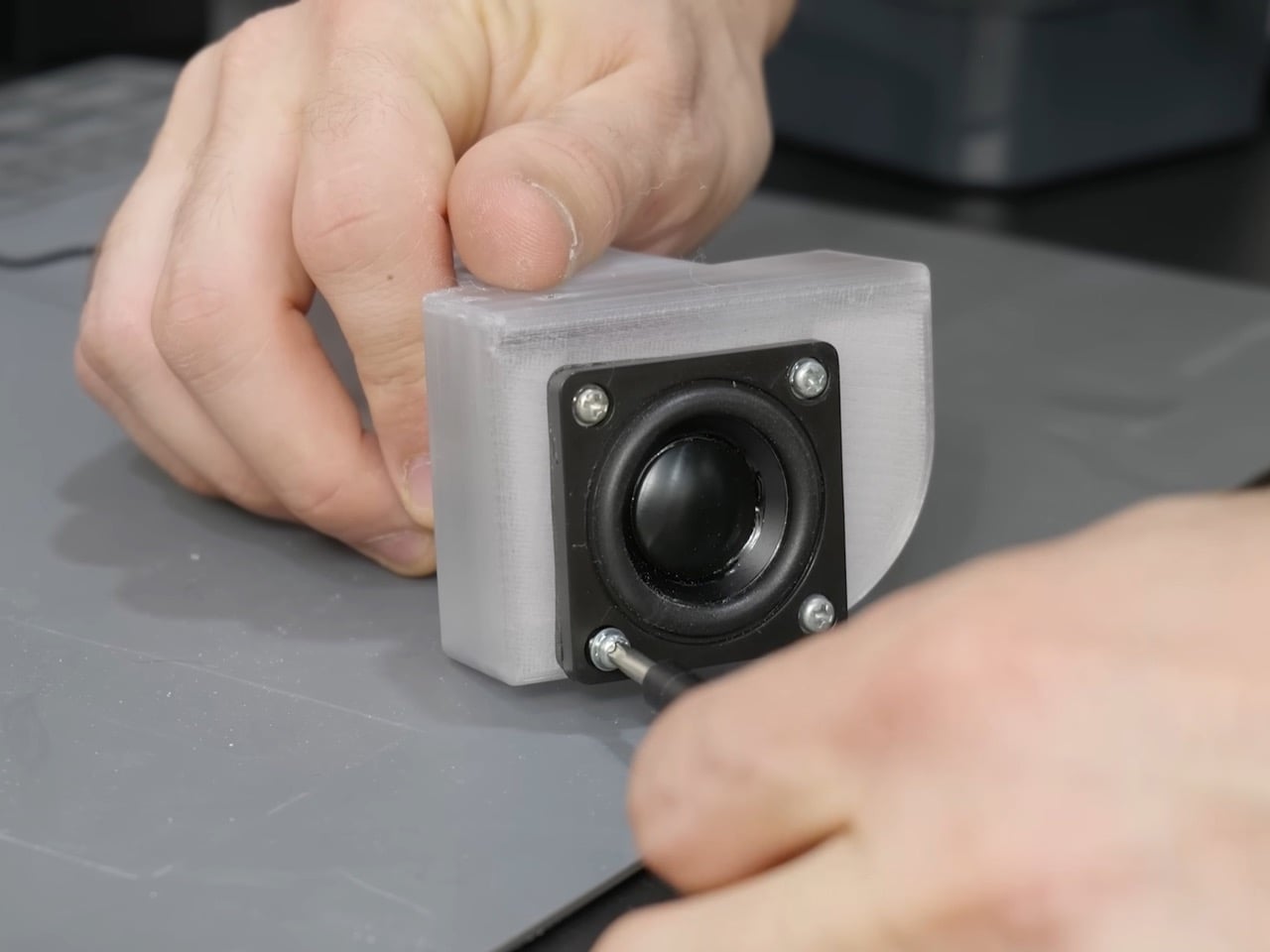
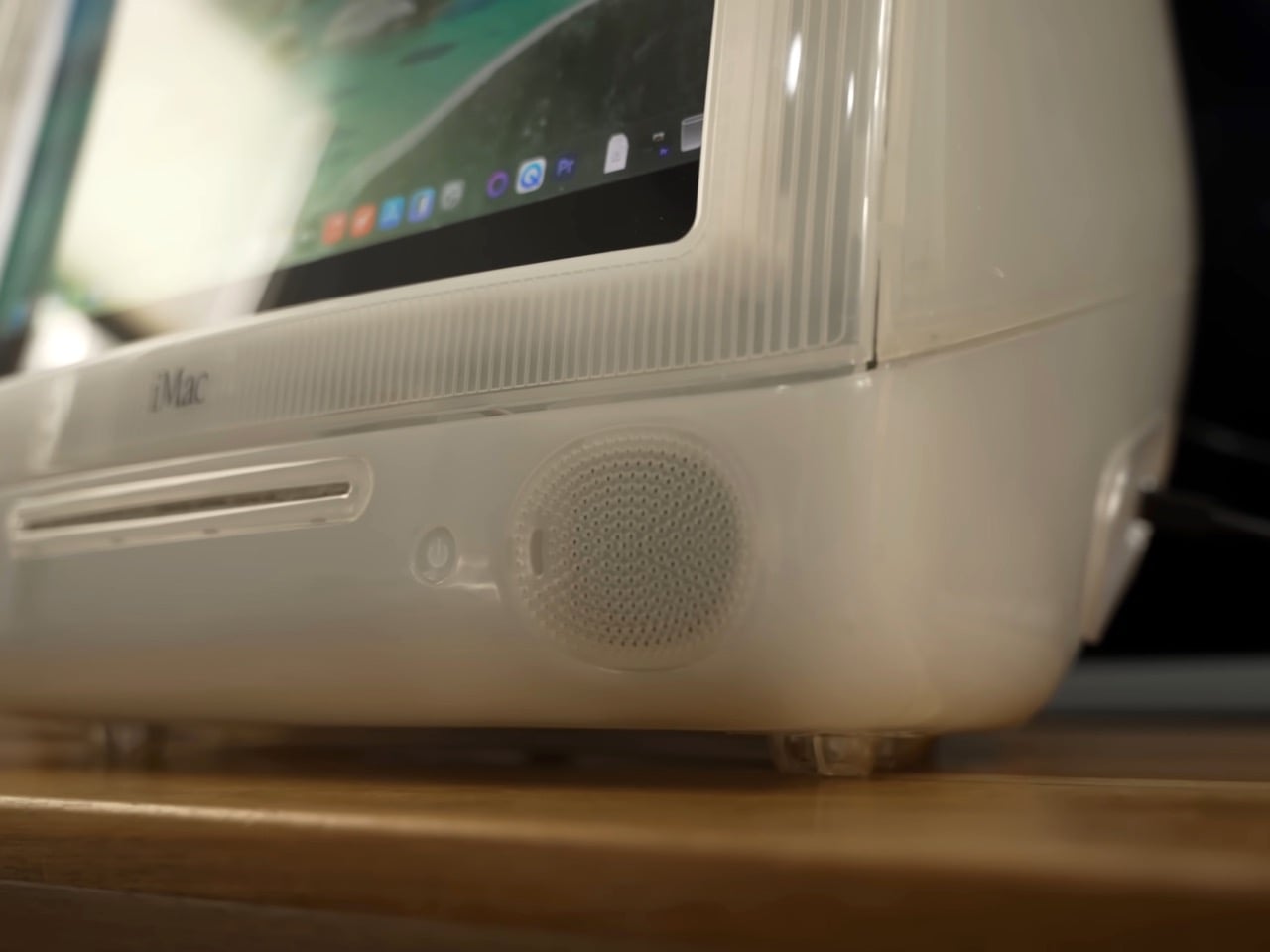
The audio system got a proper upgrade too. Zac installed Dayton Audio 1.5-inch full-range drivers in custom 3D-printed enclosures designed for optimal acoustic volume. A 200-watt digital amp boosts the signal from the Mac Mini’s headphone jack, and after some tweaking, the whole setup works like it’s factory-integrated and responds to software volume controls.
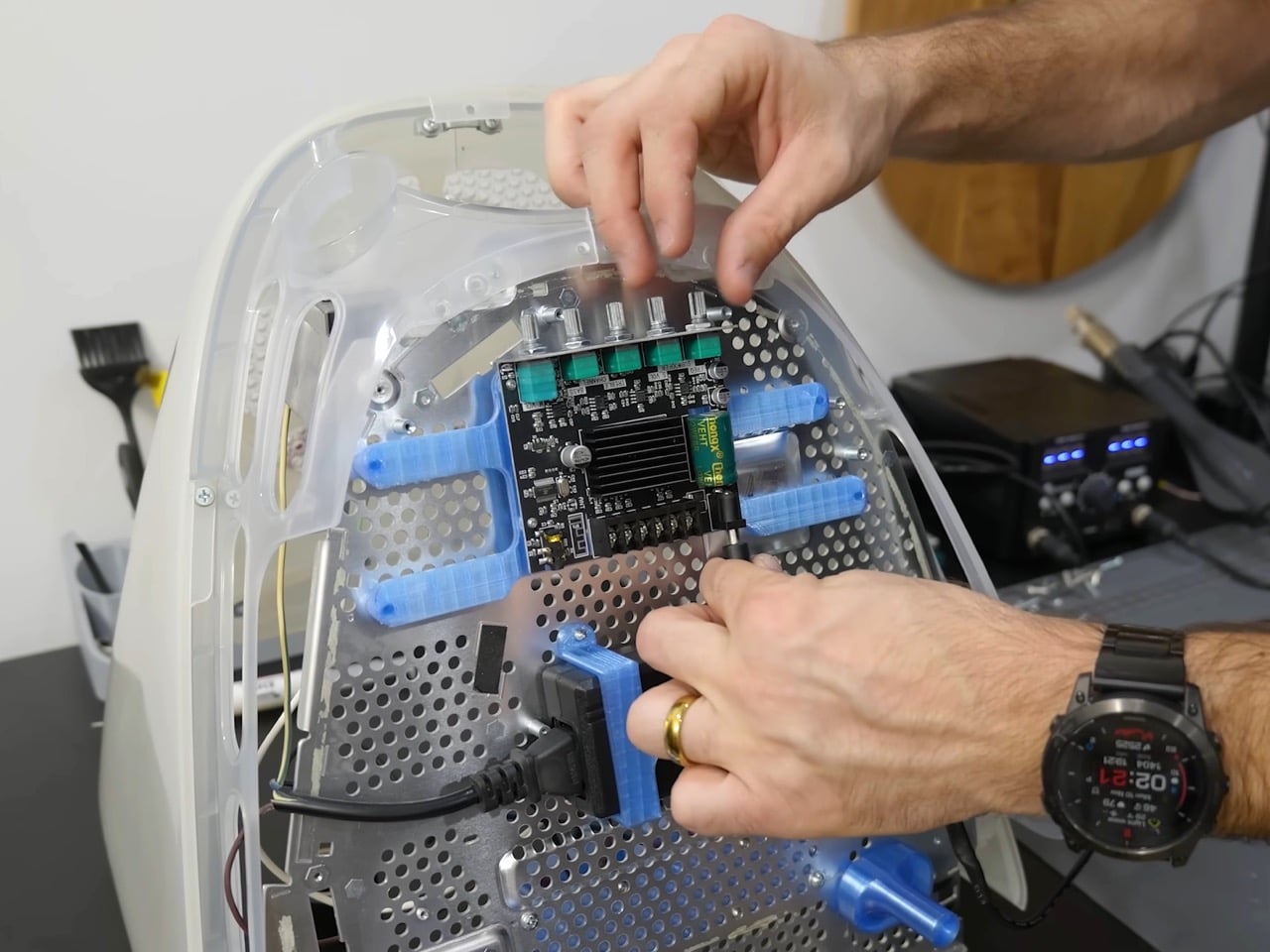
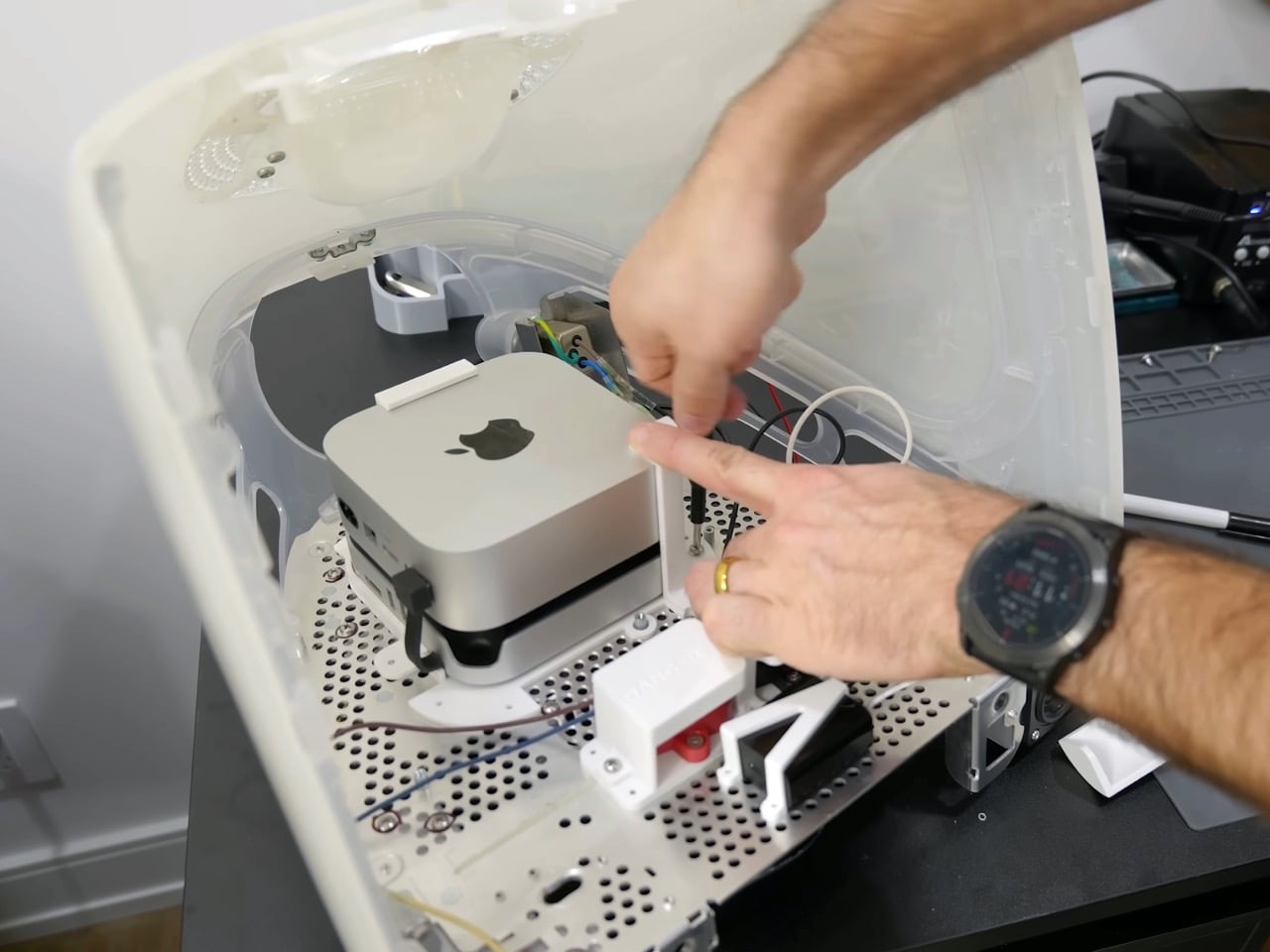
The power system is genuinely clever. Zac rewired the original power cord to feed automotive-grade junction terminals that distribute 120V AC to everything inside: the Mac Mini, the screen’s power supply, the amp’s transformer, and anything else that needs power. It’s live electricity, so there’s real risk if you’re careless, but the modular approach means one cord powers everything.

The IO panel mirrors the original’s placement while offering Thunderbolt, USB-C, dual USB-A, and Ethernet, all connected back to the Mac Mini through short cable extensions. Even the original power button works, thanks to some microscope-assisted soldering that extended the Mac Mini’s switch contacts to reach the front of the case.
The rebuilt machine runs Cyberpunk 2077 and handles 6K video editing smoothly. The upgraded internal drive shows 50% speed improvements, while the external NVMe delivers nearly 1GB/s transfers. Both options cost significantly less than Apple’s storage pricing.
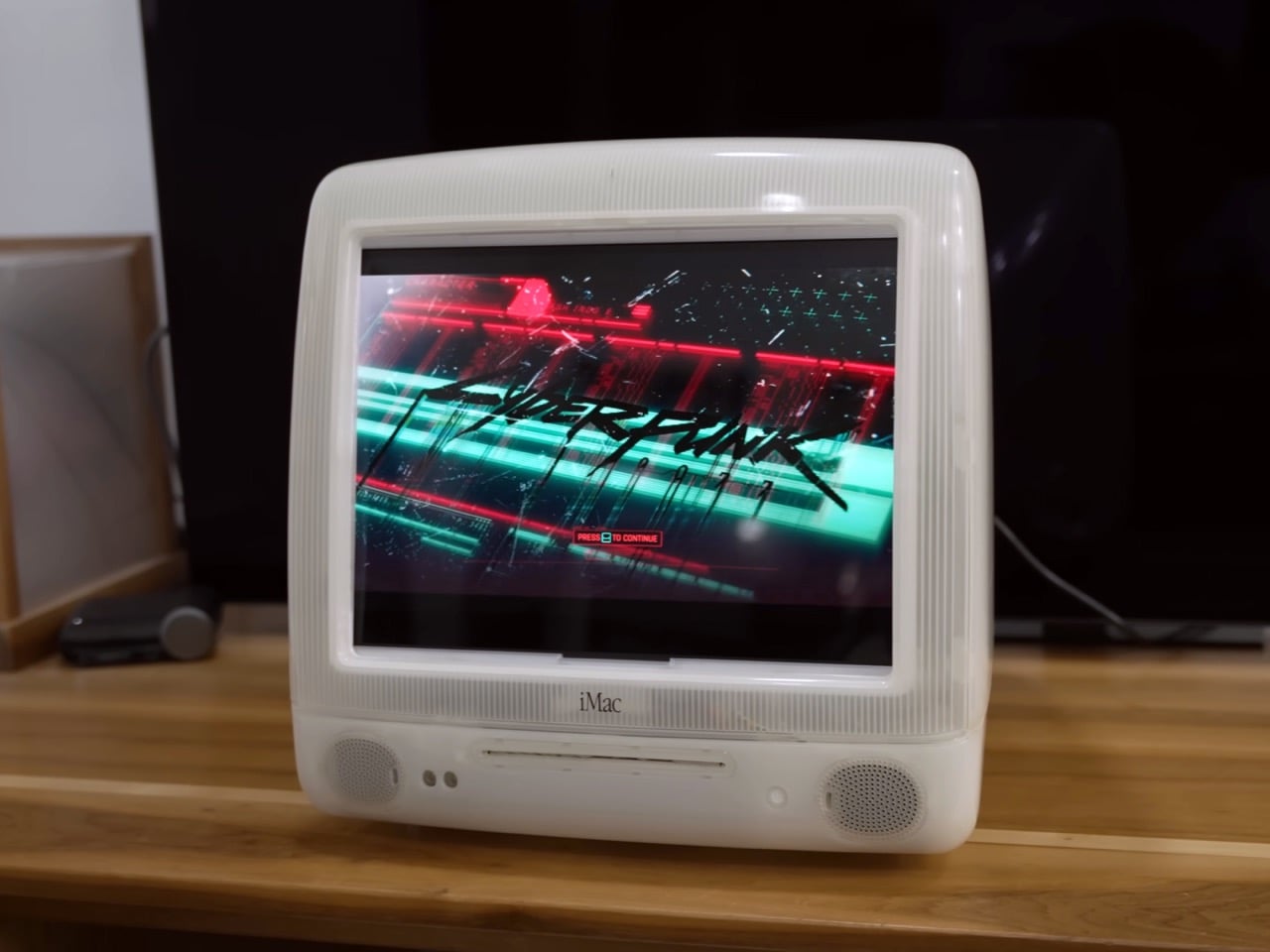
Could you just buy a MacBook instead? Sure, and you’d get more portability. But you’d also pay nearly three times as much for comparable storage, and you’d miss the entire point. This project isn’t about building the most practical computer – it’s about preserving a design icon while making it genuinely usable. Like restoring a classic car, you’re trading pure practicality for the joy of bringing something meaningful back to life. Zac’s rebuilt iMac G3 delivers that early-2000s nostalgia without the painful slowness, eye-straining display, or terrible speakers, proving that sometimes the best way forward is to bring the past along with you.
The post Custom Modded iMac G3 Has An M4 Chip And Runs Cyberpunk 2077 At 30 FPS first appeared on Yanko Design.
Read More . . .|
 | Tweet