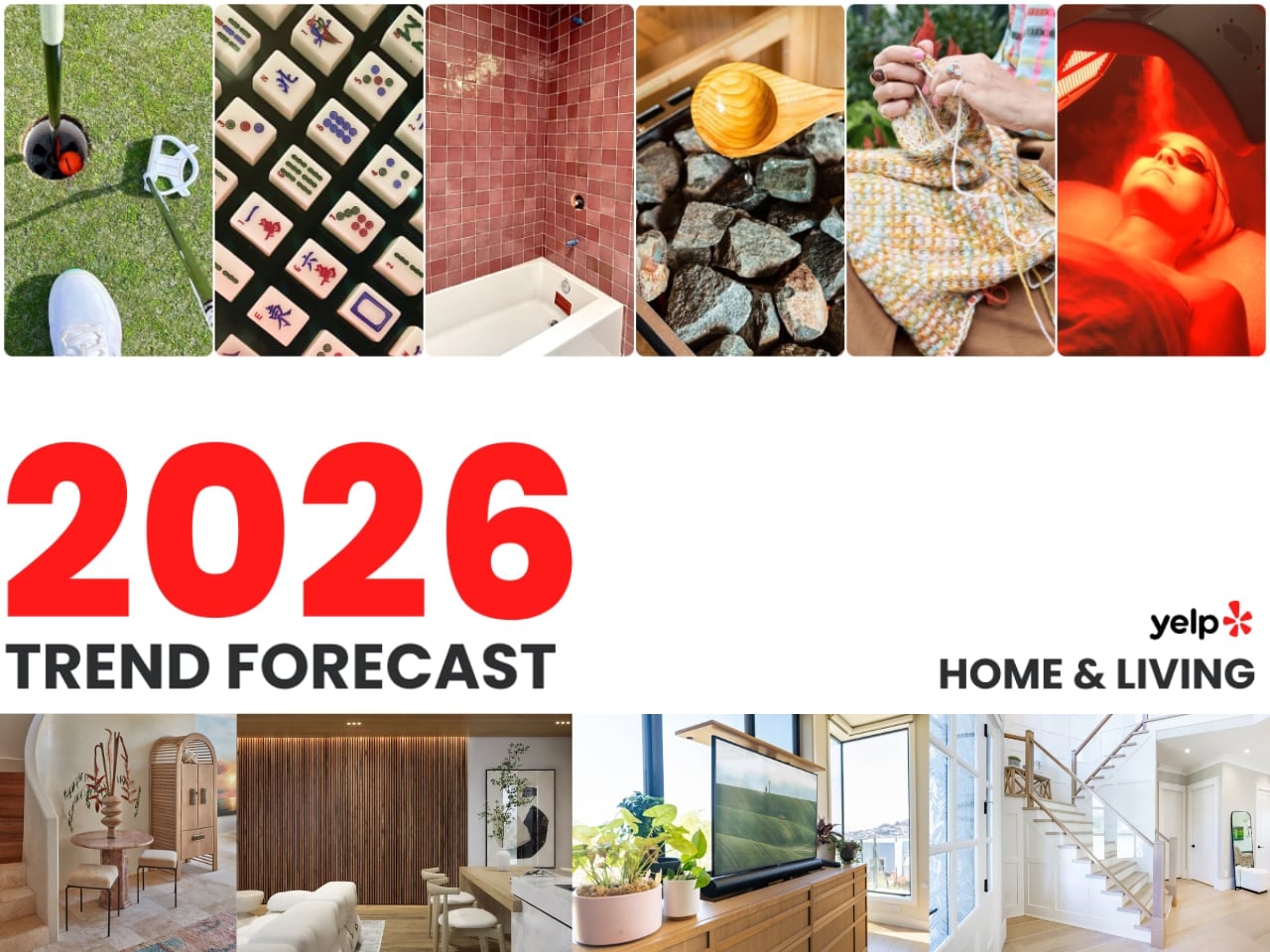
The numbers tell a story that design magazines have been hinting at for months. Yelp’s latest trend report, analyzing millions of consumer searches between 2023 and 2024, confirms what forward-thinking designers already suspected: the home is becoming a deliberate statement of values, not just a collection of furniture.
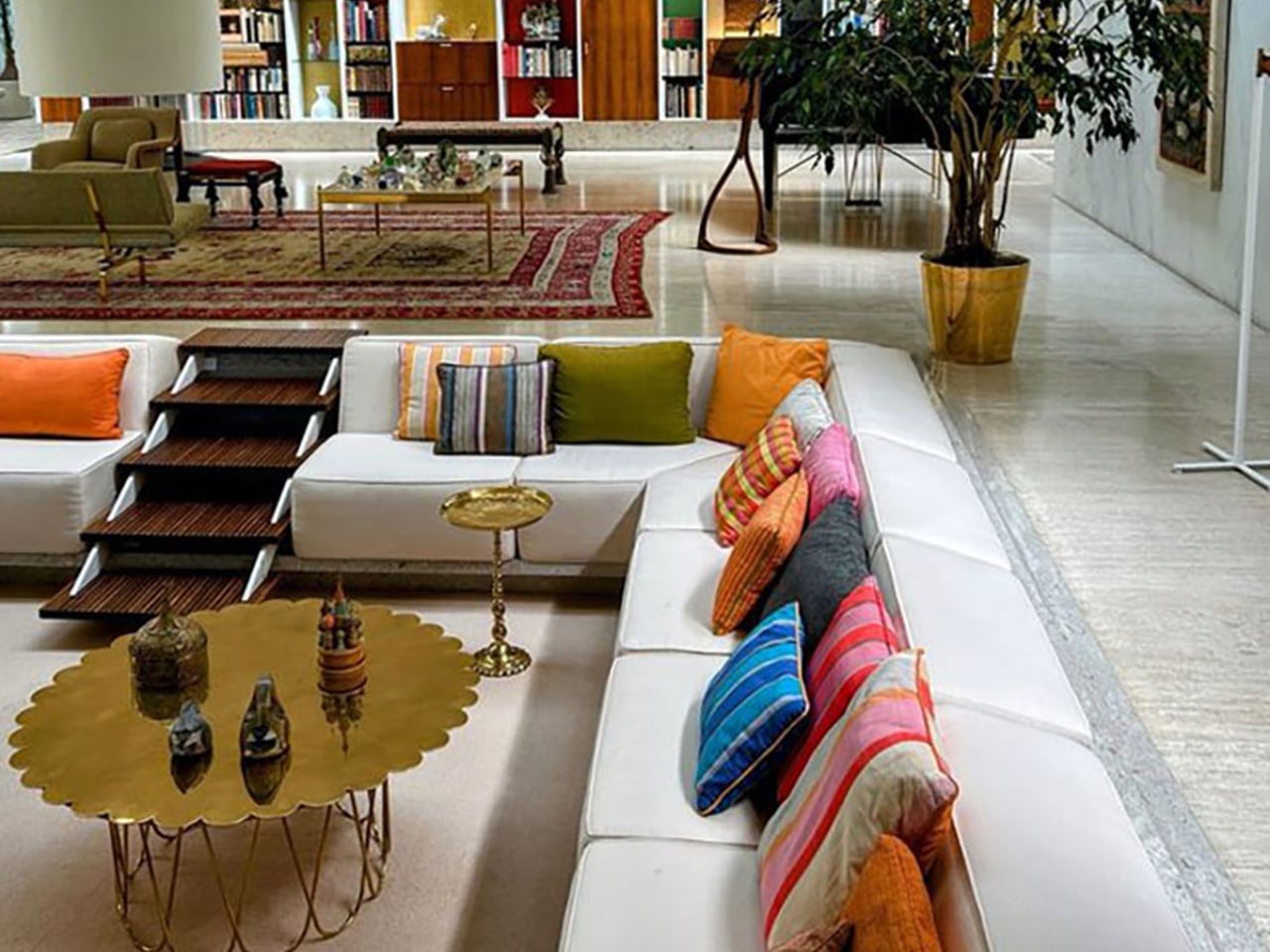
Conversation pits are leading the charge. Searches for these sunken living areas surged 369%, signaling a fundamental rejection of the open-plan uniformity that dominated the 2010s. People want intimacy again. They want spaces that pull them together rather than spreading them across vast, undifferentiated square footage. The mid-century roots of this trend run deep, with searches for mid-century furniture climbing 319% and curved furniture up 124%. These aren’t isolated preferences. They represent a cohesive design philosophy centered on human-scale spaces that encourage actual conversation.
The Texture Revolution
Flat walls are dying. Roman clay finishes saw searches explode by 312%, while lime paint climbed 162%. Fabric wallpaper rose 123%, and wall stencils increased 68%. This collective movement toward tactile surfaces reveals a deeper truth about contemporary design priorities.
People have spent years staring at screens. Their homes responded by becoming increasingly smooth, minimal, and digital-friendly. Now the pendulum swings. Hands want something to touch. Eyes want variation and depth. The Roman clay trend is particularly telling because it demands imperfection. Each application creates unique texture, mottled color, and surfaces that change with light throughout the day. This is the opposite of the perfectly smooth drywall that builders have standardized for decades.
The avocado bathroom deserves attention here too. Searches for ’70s bathrooms jumped 124%, with green countertops following at the same rate. Bathroom remodeling searches increased 84%. But this isn’t nostalgia for nostalgia’s sake. Modern interpretations use nuanced jade and sage tones with contemporary fixtures. The color brings warmth. The execution stays current.
Japandi’s Second Wave
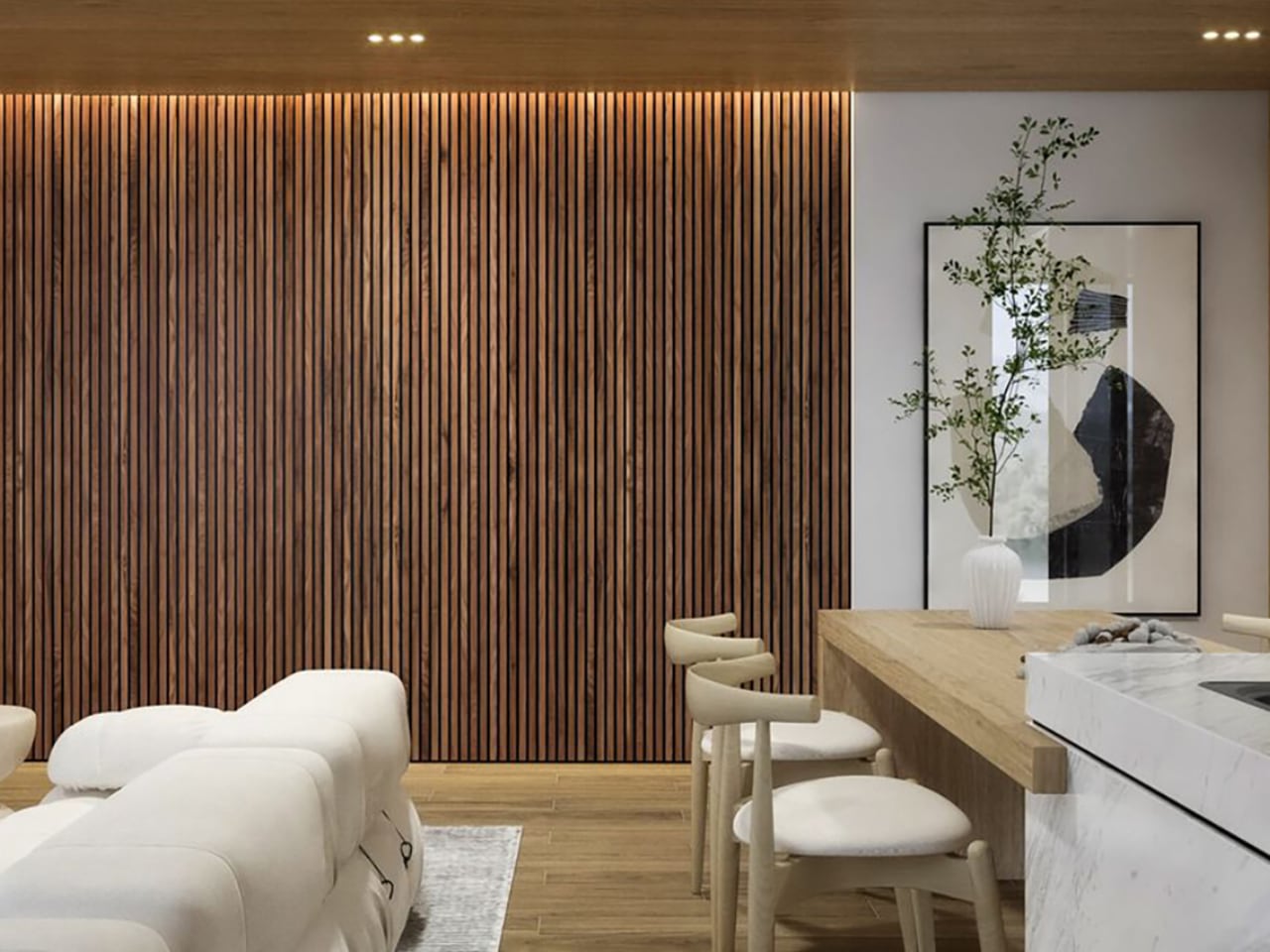
The fusion of Japanese and Scandinavian minimalism refuses to fade. Japandi searches climbed 105%, but the supporting data reveals where this trend is evolving. Fluted panels exploded by 459%. Natural stone rose 51%. Biophilic design increased 124%, alongside woven window shades at the same rate and jute rugs at 60%.
This second wave of Japandi moves beyond the surface aesthetics that defined its first popularity cycle. The emphasis shifts toward materiality and texture rather than mere visual simplicity. Fluted panels create rhythm and shadow play. Natural stone introduces geological time into domestic spaces. Woven materials connect interiors to craft traditions that predate industrial manufacturing. The philosophy remains minimalist, but the execution has matured. Spaces built on these principles feel grounded rather than sparse, considered rather than empty.
Travel plays a role in this evolution. As more people visit Japan and experience its design sensibilities firsthand, they return with refined understanding of how restraint and material quality work together. Tourism shapes taste, and taste shapes the search bar.
The Invisible Technology Thesis
Smart home technology is going underground. Searches for smart windows rose 49%, smart lighting increased 32%, and smart appliances climbed 40%. But the real story lies in the concealment searches. Built-in bookshelves surged 124%. Invisible kitchens with hidden storage jumped 68%.
The design community spent years debating whether technology should be celebrated or hidden. The data suggests resolution: people want capability without visual intrusion. They want lights that respond to voice commands from fixtures that look like ordinary fixtures. They want kitchens that function as high-tech command centers but photograph like serene minimalist spaces. Jennifer Aniston’s illuminated onyx sink basin represents the apex of this thinking. The surface glows. The technology disappears.
This invisible technology trend connects directly to the broader texture movement. When appliances hide and screens retract, walls become the primary visual element. Those walls better be interesting. Roman clay and fluted panels fill the visual space that technology once occupied. The home becomes a gallery of surfaces rather than a showroom of gadgets.
Black as Design Strategy
Black countertops rose 123%. Black furniture increased 12%. These numbers underscore a shift toward intentional contrast as a design strategy rather than an afterthought.
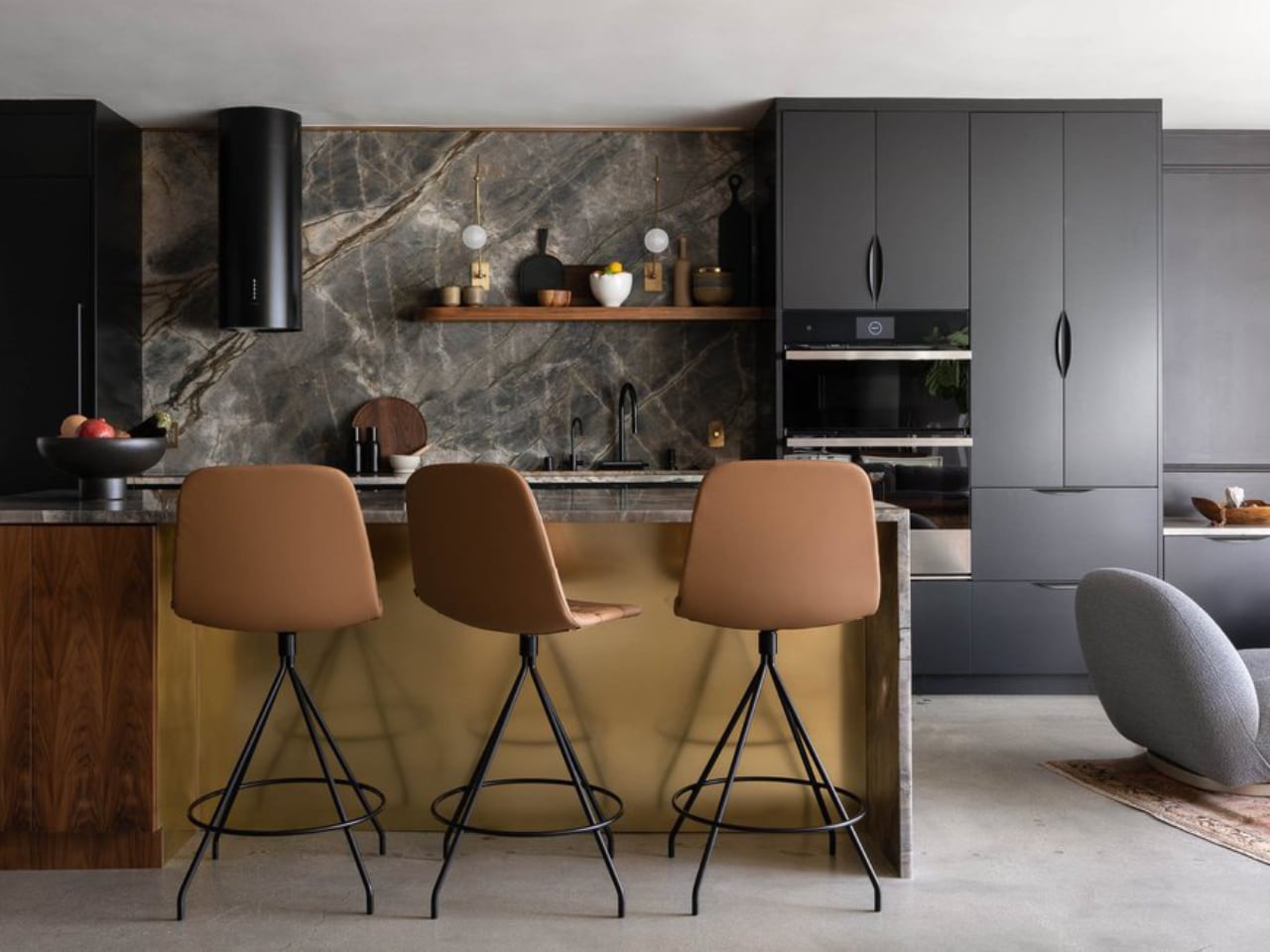
Interior design expert Taylor Simon’s “unexpected red theory” has influenced how designers think about strategic color deployment. Black operates on similar principles. A black countertop against light cabinetry creates visual anchor points. Black furniture pieces become sculptural elements that organize surrounding space. The approach requires restraint. Too much black collapses into monotony. Applied surgically, it transforms ordinary rooms into composed environments where the eye knows where to rest.
The contrast philosophy extends beyond color. It manifests in the juxtaposition of textured and smooth, natural and manufactured, vintage and contemporary. Curved mid-century furniture against rectilinear architecture. Woven jute against polished concrete. The design language emerging from this data prioritizes tension and dialogue between elements rather than uniform harmony.
Memory as Material
Shadowbox searches increased 34%. Film lab searches rose 88%. Film developing climbed 54%. Together, these numbers reveal a design trend that treats personal history as raw material.
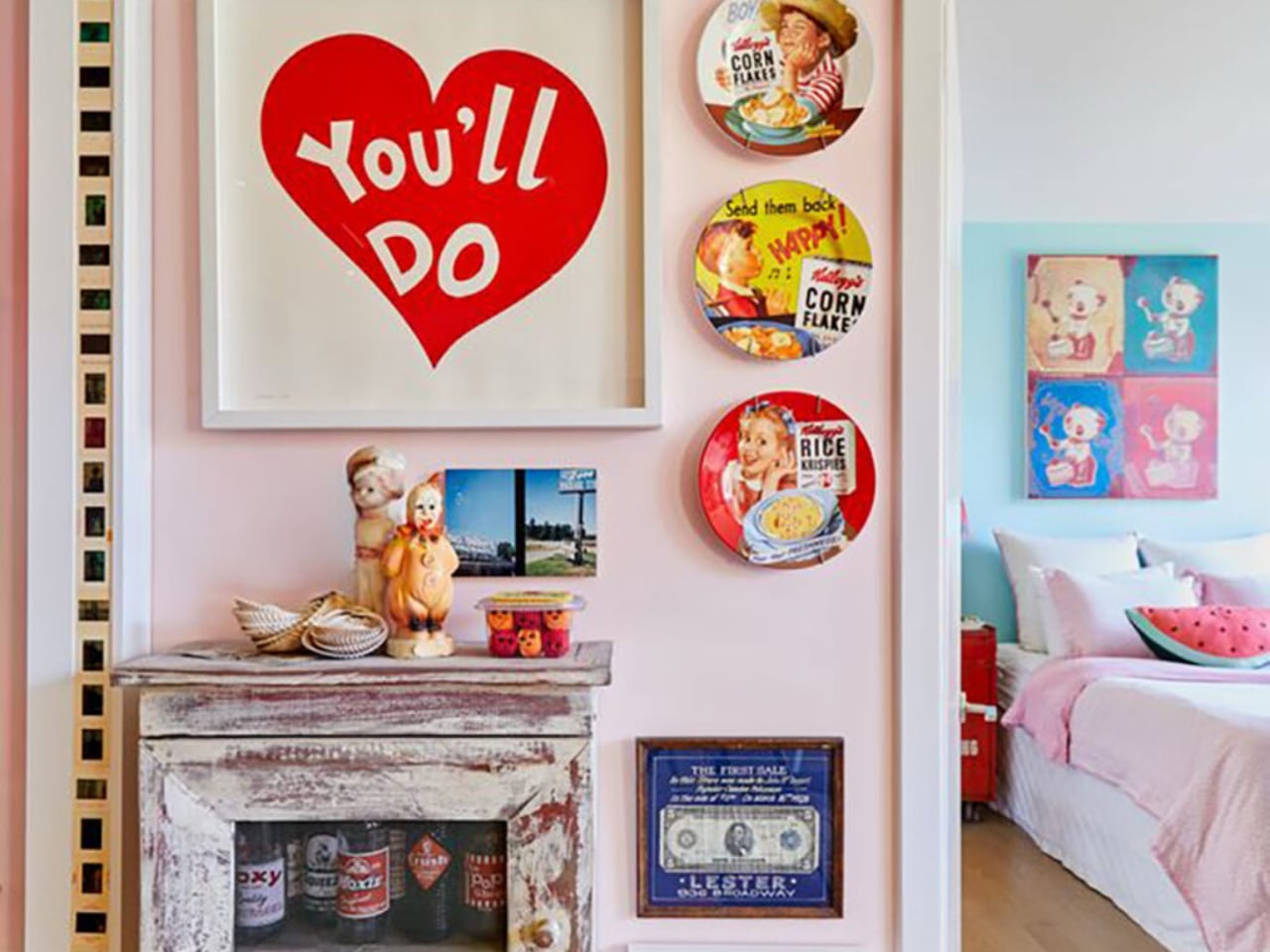
Custom framing services report growing demand for memory displays that transform scrapbook contents into wall art. Travel mementos, film photographs from analog cameras, keepsakes from significant moments. These aren’t arranged in albums anymore. They’re composed into visual statements that hang alongside purchased art.
This trend intersects with the broader rejection of generic decor. Mass-produced wall art serves a function, but it doesn’t tell a story. A framed collection of Polaroids from a specific trip, ticket stubs from meaningful concerts, pressed flowers from important occasions: these objects carry narrative weight that manufactured decor cannot replicate. The home becomes autobiography.
Where This Leaves Us
The throughline connecting these trends points toward a single thesis: design in 2026 will prioritize meaning over minimalism, texture over sleekness, and personal narrative over trend compliance.
The conversation pit revival matters because it privileges human connection over architectural showmanship. The texture movement matters because it restores sensory richness to spaces flattened by digital life. Japandi’s evolution matters because it demonstrates how design philosophies mature beyond their initial aesthetic expressions. Hidden technology matters because it resolves the long tension between capability and beauty. Strategic contrast matters because it treats composition as seriously as color.
None of these trends exist in isolation. They form a coherent vision of domestic space as refuge, as expression, as carefully curated environment that reflects inhabitant values rather than developer defaults. The search data quantifies what designers intuit. People want homes that feel like themselves, not like everyone else’s Pinterest board. The numbers say they’re willing to invest, to research, to seek professional help in achieving that goal.
The 2026 home will have texture you can feel, spaces that pull people together, technology that serves without announcing itself, and walls decorated with personal history. It will reference the past without copying it. It will embrace natural materials while leveraging smart systems. It will be, in short, deliberately designed rather than passively accumulated. The data says so.
The post Yelp’s 2026 Design Forecast: The Trends Reshaping How We Live first appeared on Yanko Design.
Read More . . .|
 | Tweet