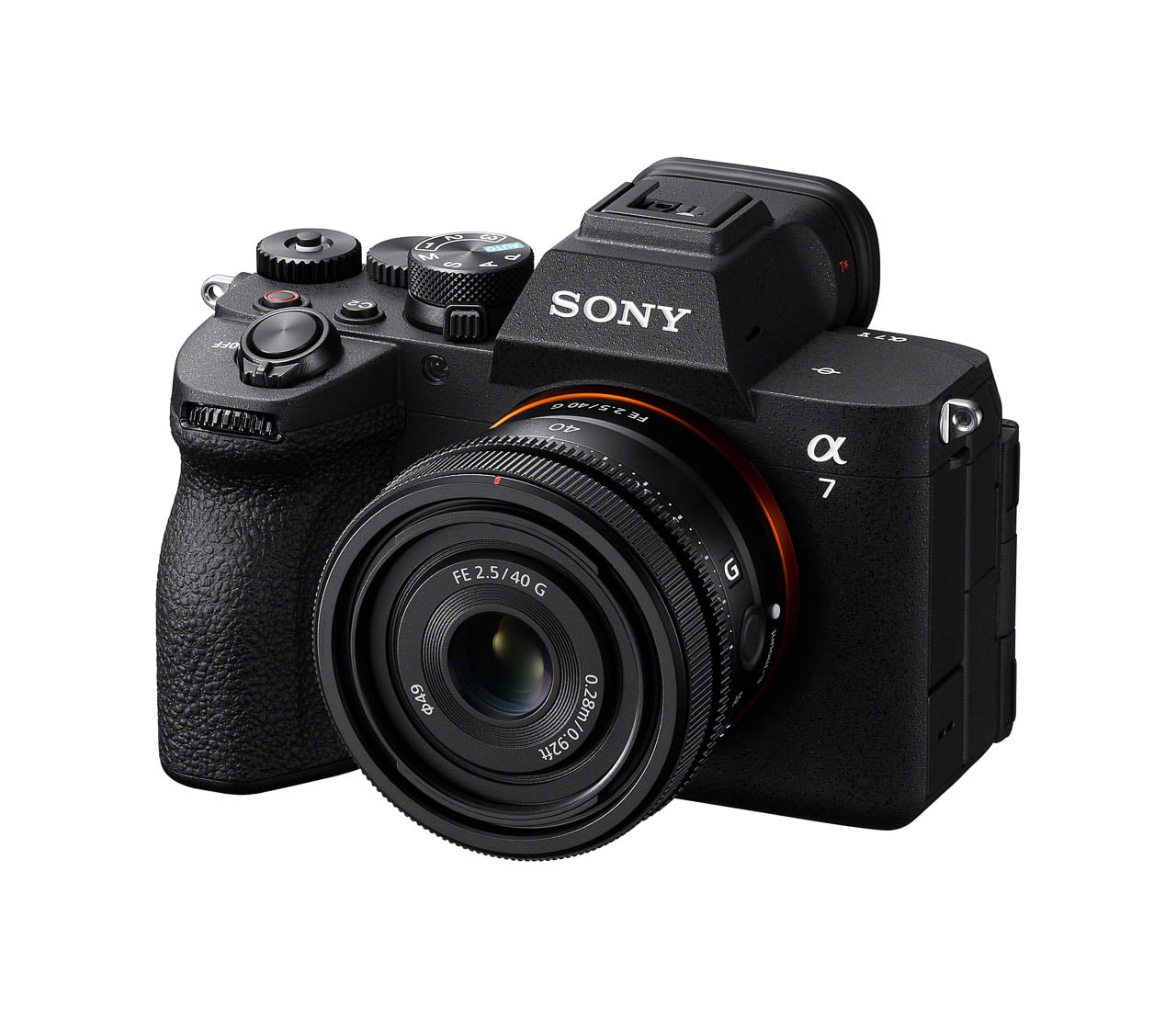
Sony’s Alpha 7 line has defined full-frame mirrorless photography for over a decade. The fifth generation arrives with a fundamental change: the AI processing unit now lives inside the BIONZ XR2 imaging engine rather than running on a separate chip. Every imaging function shares the same processing backbone, and the performance gains cascade through autofocus, subject recognition, color science, continuous shooting, and video.
Designer: Sony
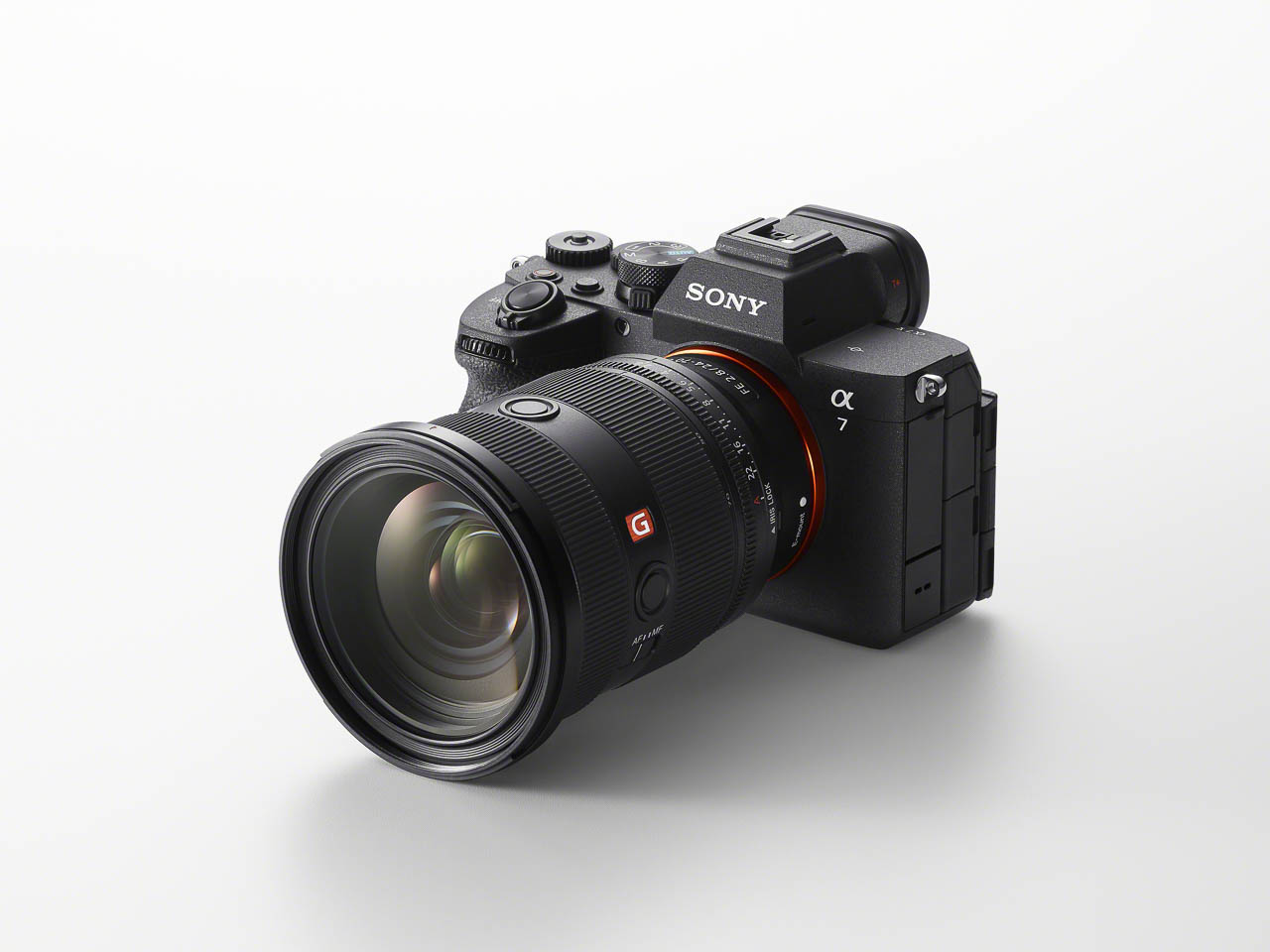
The Alpha 7 V (ILCE-7M5) pairs that integrated processing architecture with a new partially stacked Exmor RS CMOS sensor. At approximately 33 megapixels, it strikes a balance between resolution and file manageability, but the real story is readout speed: 4.5 times faster than the Alpha 7 IV. Faster readout means reduced rolling shutter distortion during fast panning. It means blackout-free continuous shooting up to 30 fps with full AF/AE tracking. It means 14-bit RAW capture at that same 30 fps speed without compromising autofocus performance. Sony also announced the FE 28-70mm f/3.5-5.6 OSS II (SEL28702), a compact standard zoom designed to match these capabilities.
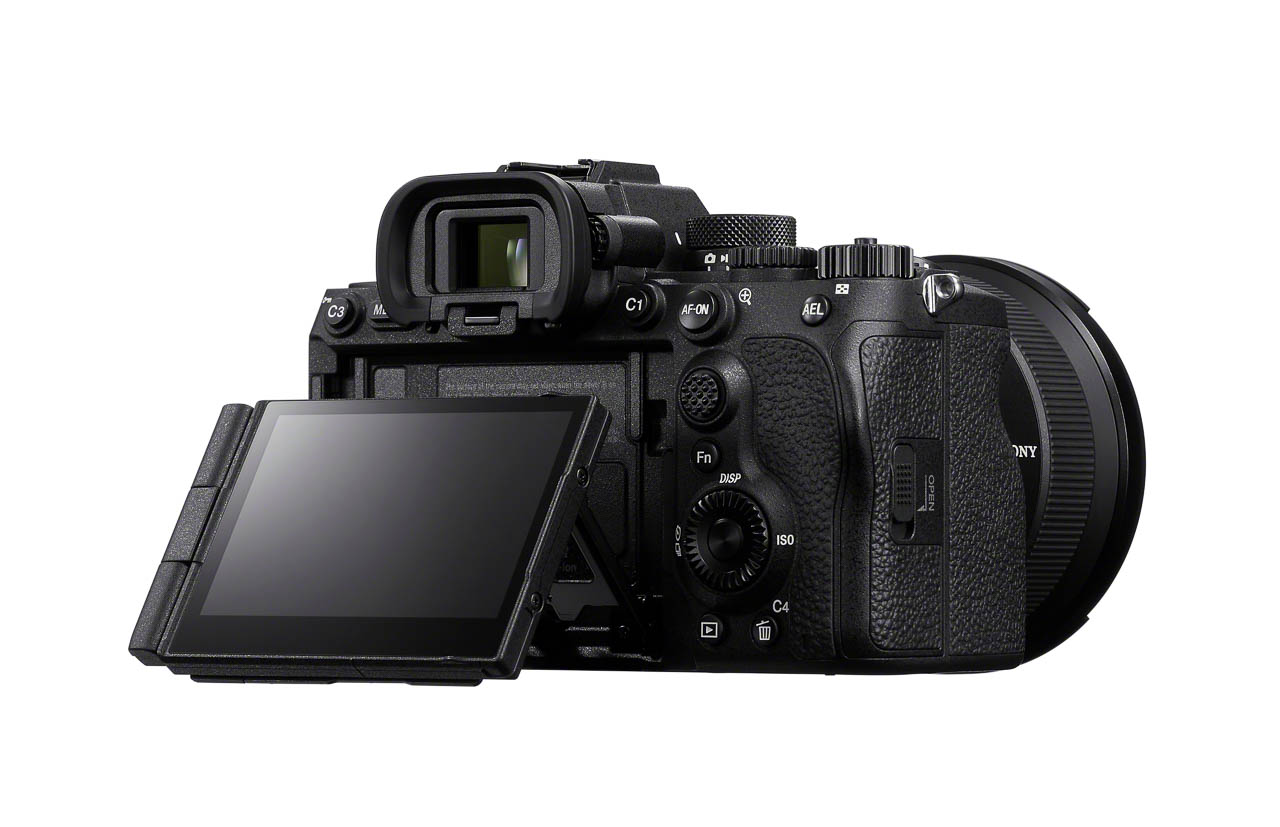
The Pre-Capture function deserves its own attention. It records up to one second before you press the shutter, storing frames in a rolling buffer until you commit to the shot. For unpredictable subjects (pets, children, sports action), this changes the timing equation entirely. Still image performance reaches 16 stops of dynamic range in mechanical shutter mode, ensuring tonal detail across highlights and shadows even in scenes with extreme contrast.

The Real-time Recognition AF system now identifies humans, animals, birds, insects, cars, trains, and airplanes. Sony claims a 30% improvement in eye recognition performance compared to the Alpha 7 IV, measured through internal testing. The 759 phase-detection points cover 94% of the frame, and low-light autofocus extends down to EV -4.0. AF/AE calculations run 60 times per second, continuously adjusting both parameters during high-speed shooting.

Color science gets its own AI treatment. A newly introduced AI-driven Auto White Balance leverages deep learning technology for light source estimation, automatically identifying the shooting environment’s light source and adjusting color tones for natural, stable color reproduction. This should reduce post-production workload for photographers who shoot across varied lighting conditions.
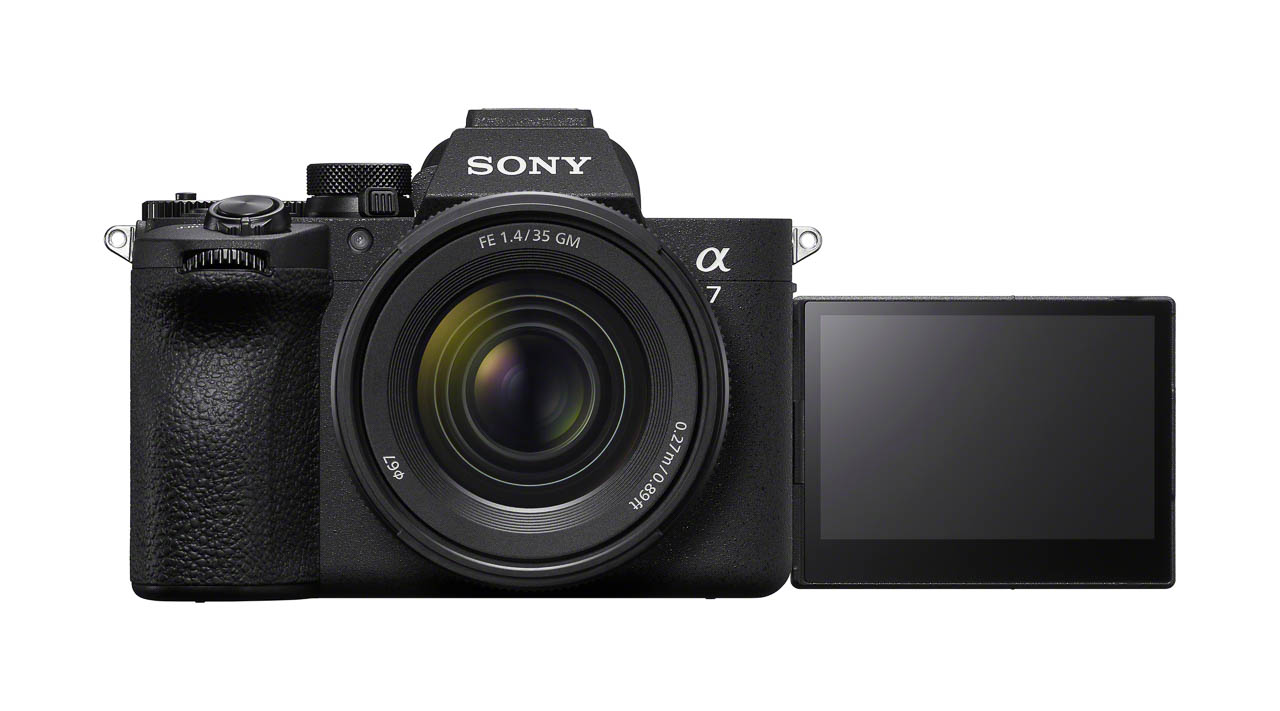
Video capabilities expand significantly for hybrid creators. The Alpha 7 V introduces 7K oversampled 4K 60p recording in full-frame mode and 4K 120p recording in APS-C/Super 35mm mode. Full pixel readout without pixel binning enables highly detailed footage. Dynamic Active Mode provides smooth stabilization for handheld shooting. An Auto Framing function automatically maintains optimal subject composition during recording. New in-camera noise reduction and improved internal microphone functionality address the audio side.
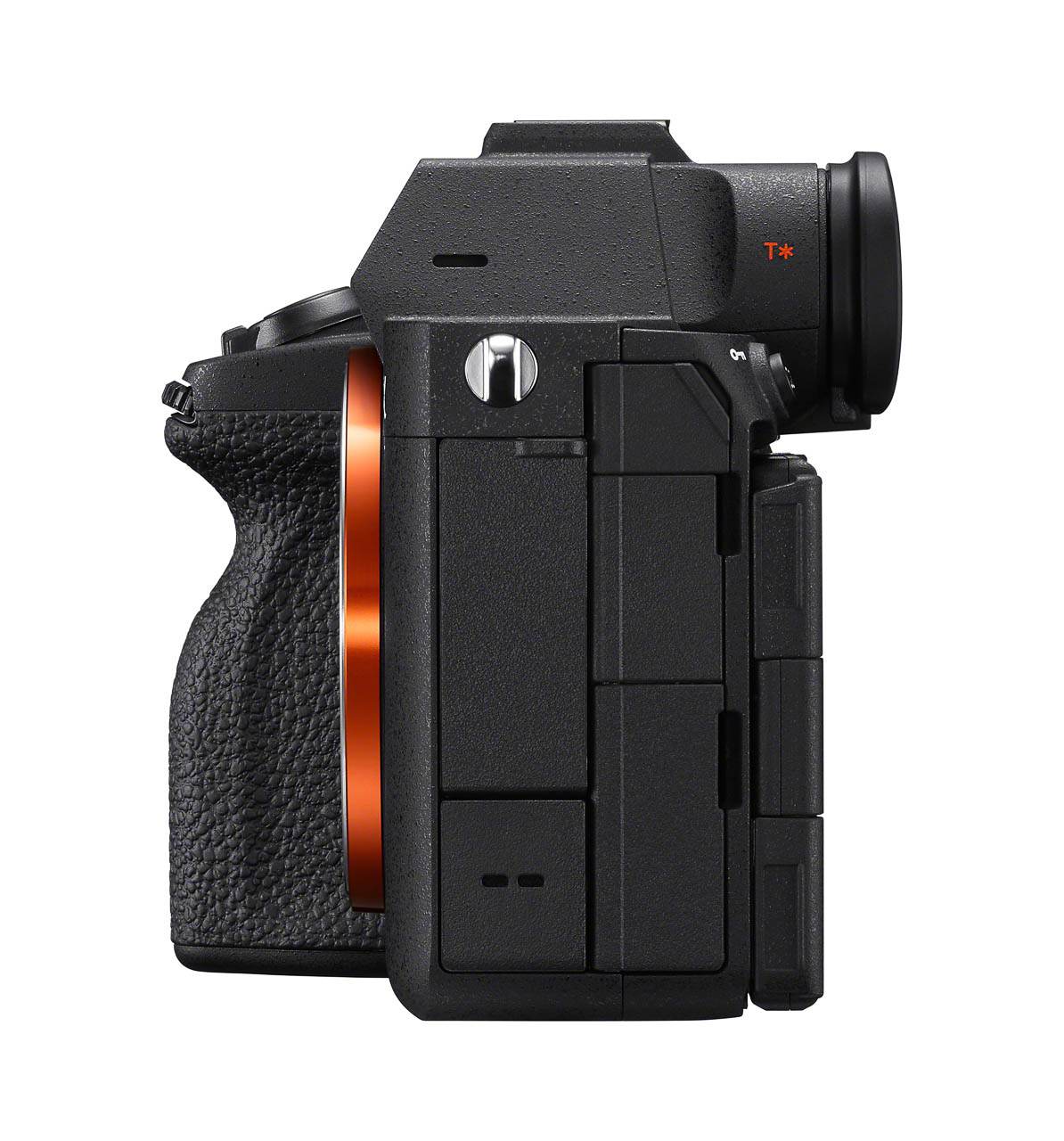
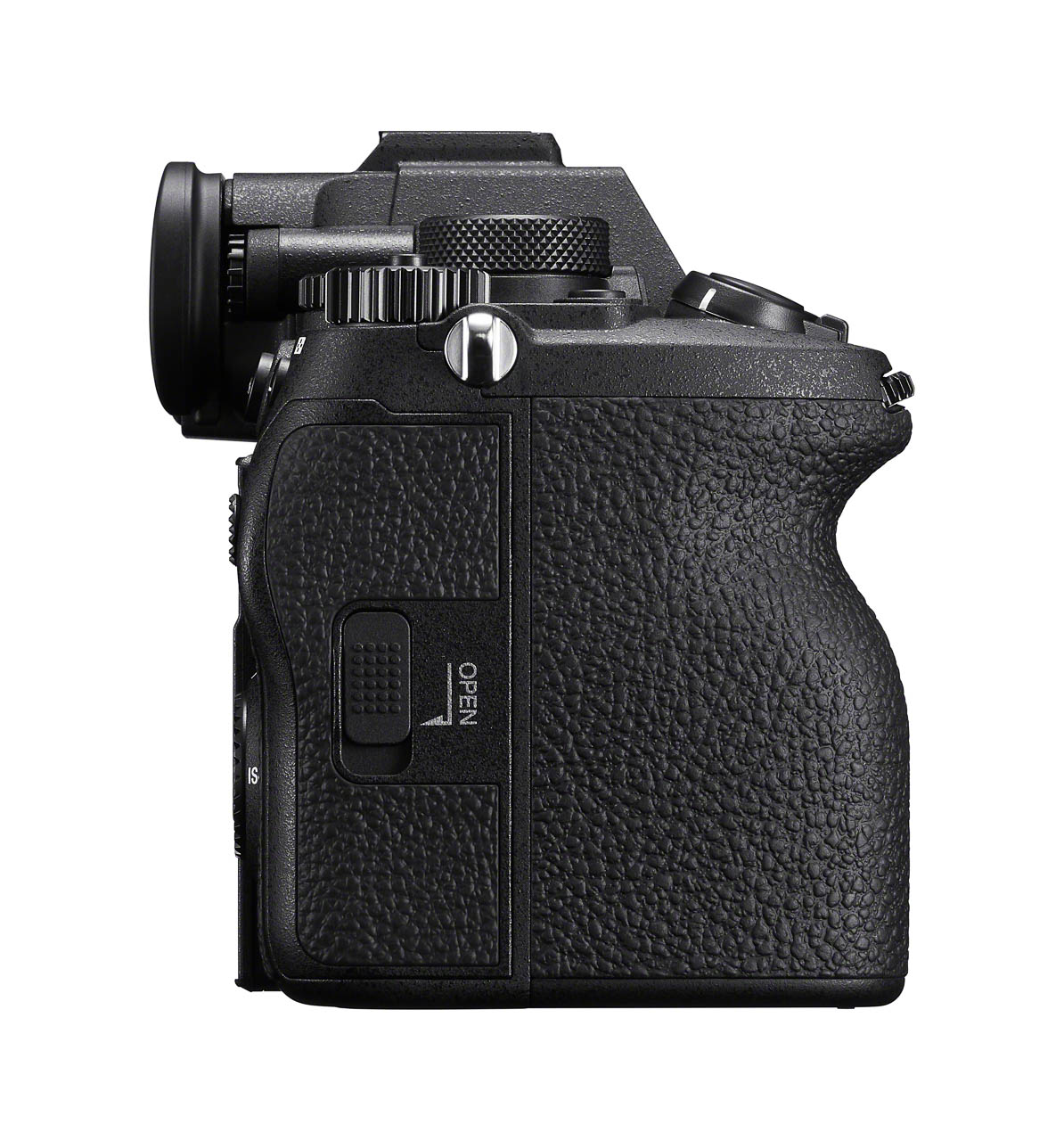
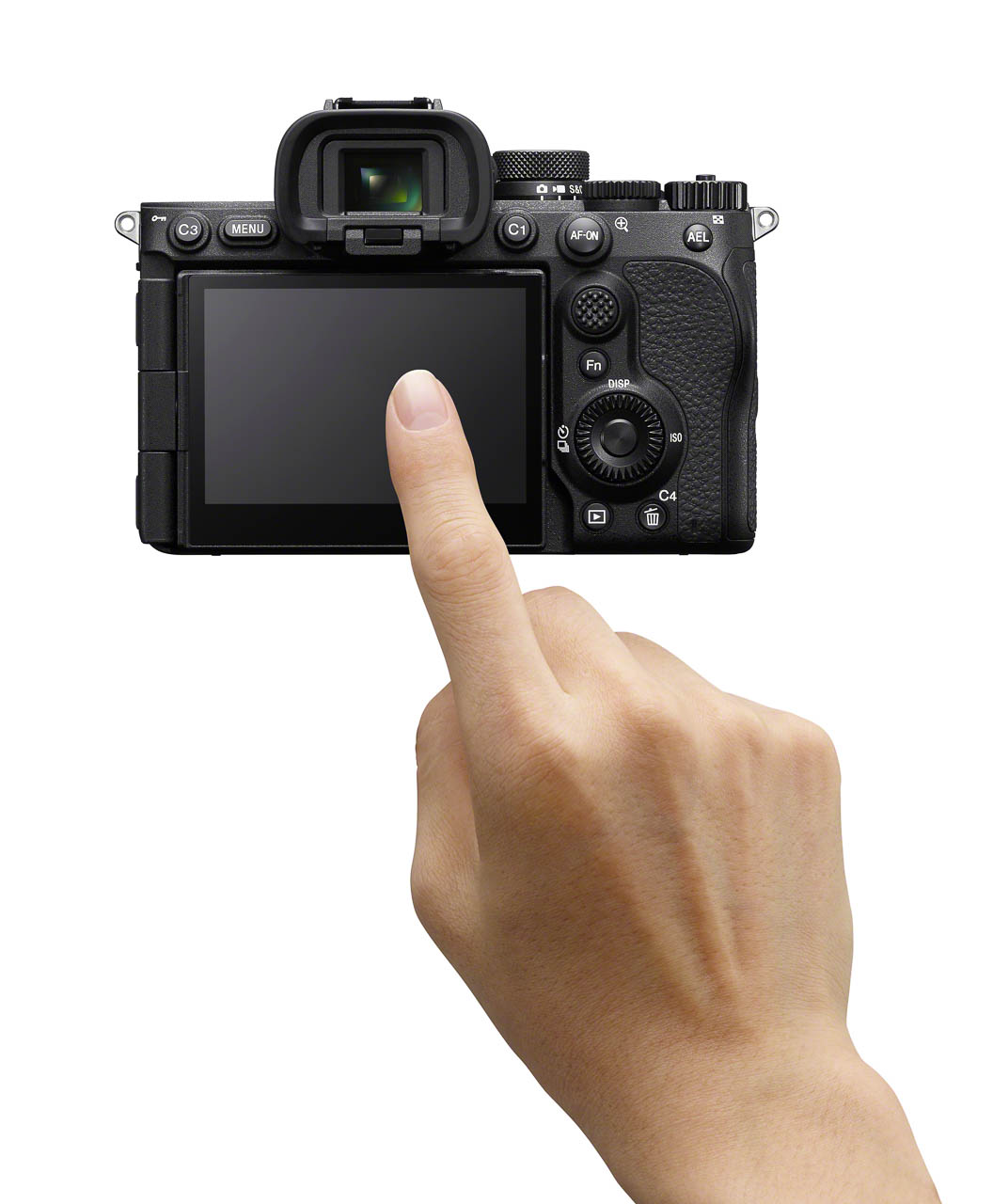
The operability improvements read like a professional wish list: Wi-Fi 6E GHz compatibility, dual USB Type-C ports, vertical format support, adjustable electronic shutter sound, a 4-axis multi-angle monitor combining tilt and vari-angle design, and an improved grip. Battery life reaches approximately 630 shots using the viewfinder (CIPA standards), with a Monitor Low Bright mode extending that further. Thermal management supports extended 4K recording at approximately 90 minutes at 25°C and 60 minutes at 40°C.
The Companion Lens and What It Costs
The FE 28-70mm f/3.5-5.6 OSS II earns attention beyond its kit lens positioning. When paired with compatible cameras, it offers up to 120 fps AF/AE tracking, continuous shooting up to 30 fps, seamless body-lens coordinated image stabilization, AF available during zooming, and built-in breathing compensation support. This addresses the original 28-70mm kit lens’s sharpness and autofocus speed criticisms while maintaining the lightweight profile that full-frame mirrorless shooters expect.
Sony aligned this release with its Road to Zero environmental initiative. Manufacturing facilities for imaging products operate at 100% renewable energy. The packaging uses Sony’s Original Blended Material (bamboo, sugarcane fibers, post-consumer recycled paper) instead of plastic.
The Alpha 7 V body arrives by the end of December 2025 for approximately $2,899 USD ($3,699 CAD). The kit with the SEL28702 lens follows in February 2026 for approximately $3,099 USD ($3,899 CAD). The lens alone: $449 USD ($599 CAD), also February 2026. All products will be sold through Sony and authorized dealers throughout North America.
The post Sony Alpha 7 V Integrates AI Processing Into Its Imaging Engine, Rewrites Full-Frame Expectations first appeared on Yanko Design.
Read More . . .|
 | Tweet