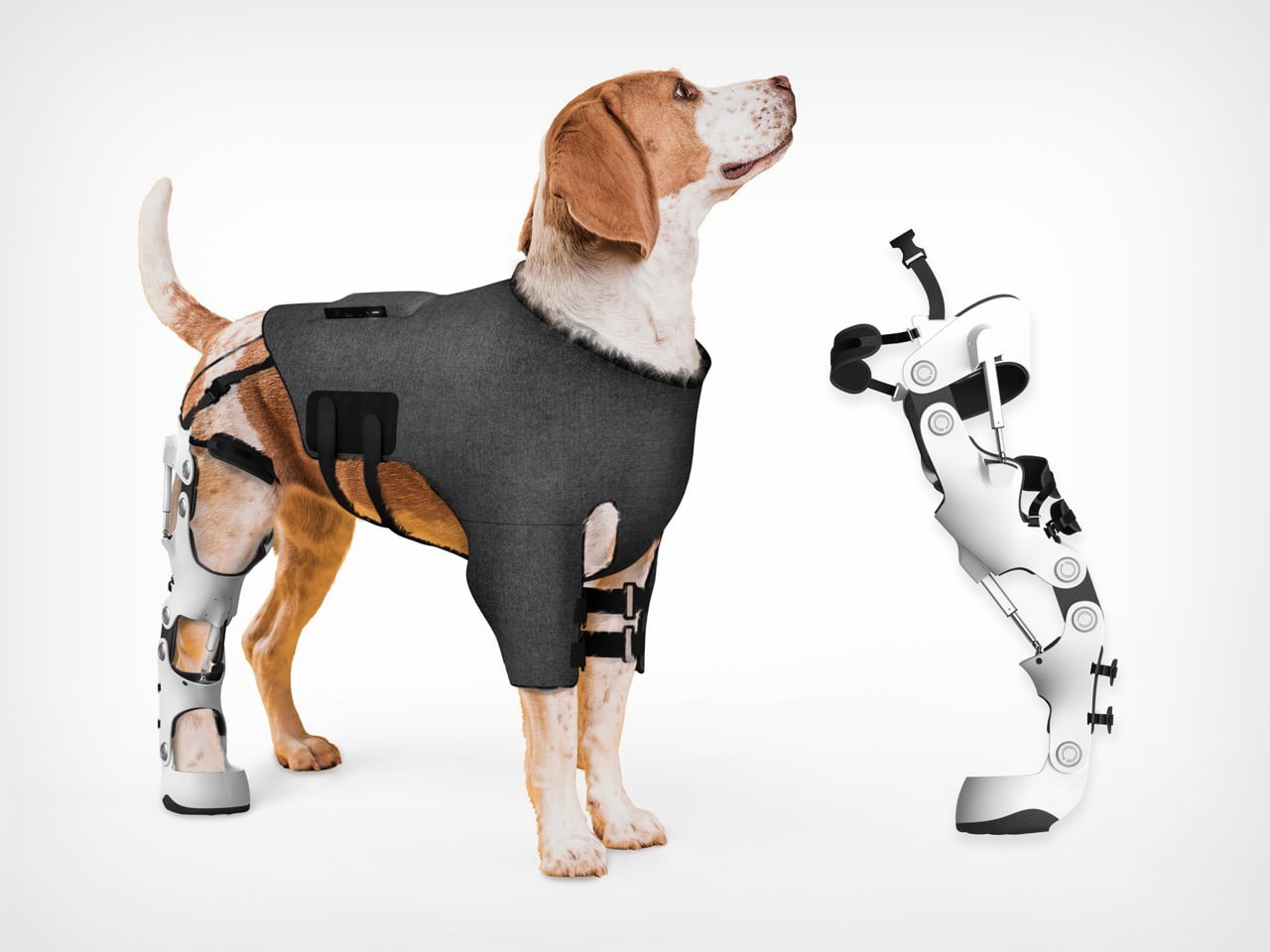
Watching a dog struggle to walk is quietly heartbreaking. Movement, for animals, is not just mobility. It is freedom, confidence, and joy. The Pet Power Assistive Exoskeleton was born from this understanding, blending emotional insight with advanced engineering to create a rehabilitation solution that truly listens to the animal it supports.
The project’s inspiration traces back to a news report on prosthetic limbs designed for disabled pets. While well-intentioned, many of these solutions revealed clear shortcomings. They were passive, rigid, and often uncomfortable, offering limited support beyond basic mobility. This realization became deeply personal when the designer cared for their own dog after a hindlimb injury. Seeing firsthand how difficult recovery could be for an animal exposed a larger issue. Modern rehabilitation technology has evolved rapidly for humans, yet animal care continues to rely on simplified, often outdated aids. This gap sparked a mission to extend intelligent, humane rehabilitation into veterinary practice.
Designer: Leijing Zhou

Instead of forcing movement, the Pet Power Assistive Exoskeleton focuses on understanding intention. Borrowing principles from active exoskeleton systems used in stroke rehabilitation, the device uses surface electromyographic sensors to read muscle signals from a dog’s healthy forelimb. As the dog initiates movement, these signals are analyzed in real time to predict how the impaired hindlimb should move. The system then activates precise mechanical assistance, synchronizing the injured leg with the dog’s natural gait.
This approach transforms rehabilitation into a cooperative process rather than a mechanical correction. The dog leads, and the technology follows, creating movement that feels natural, fluid, and instinctive. By aligning assistance with intention, the exoskeleton reduces strain, encourages correct gait patterns, and supports faster, more confident recovery.
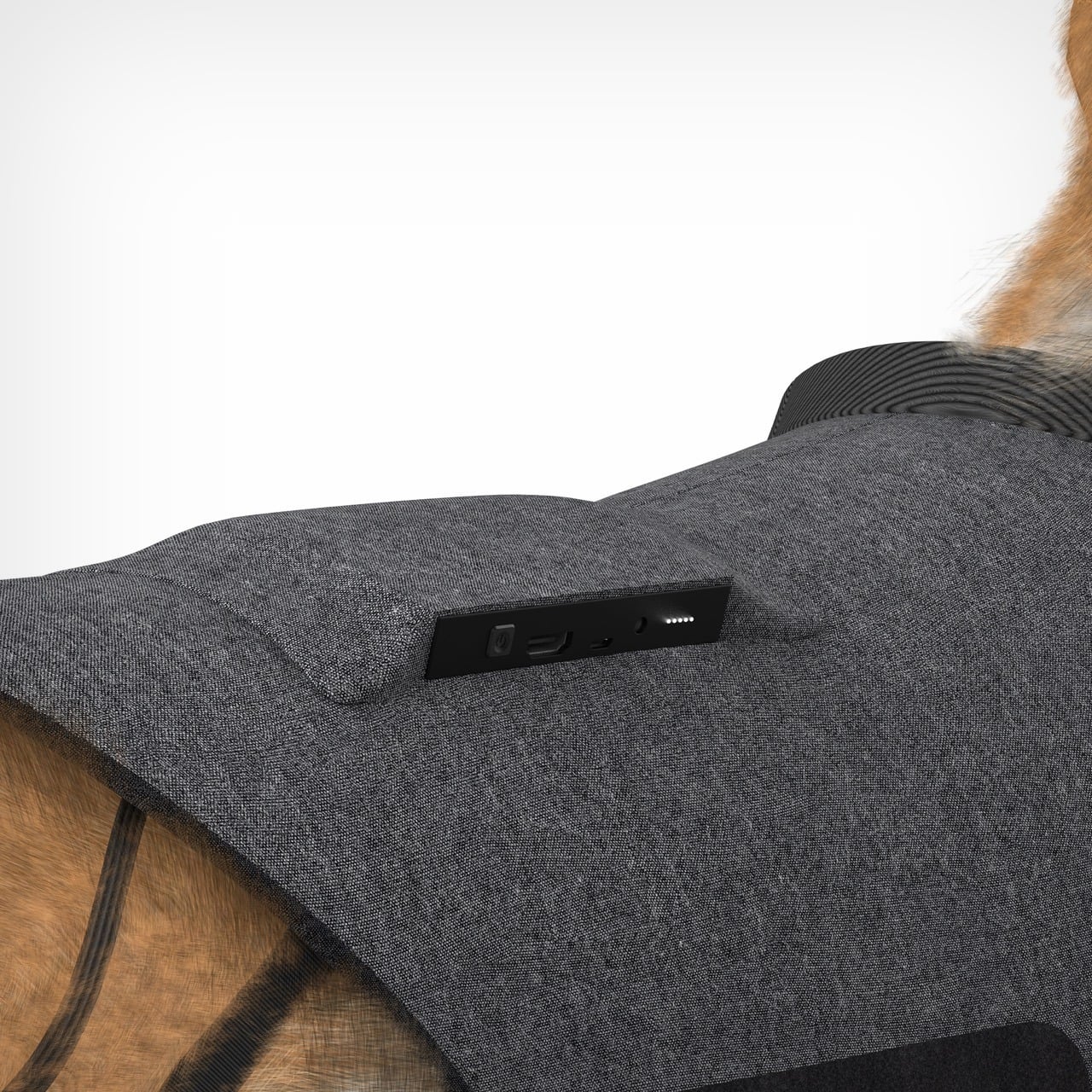
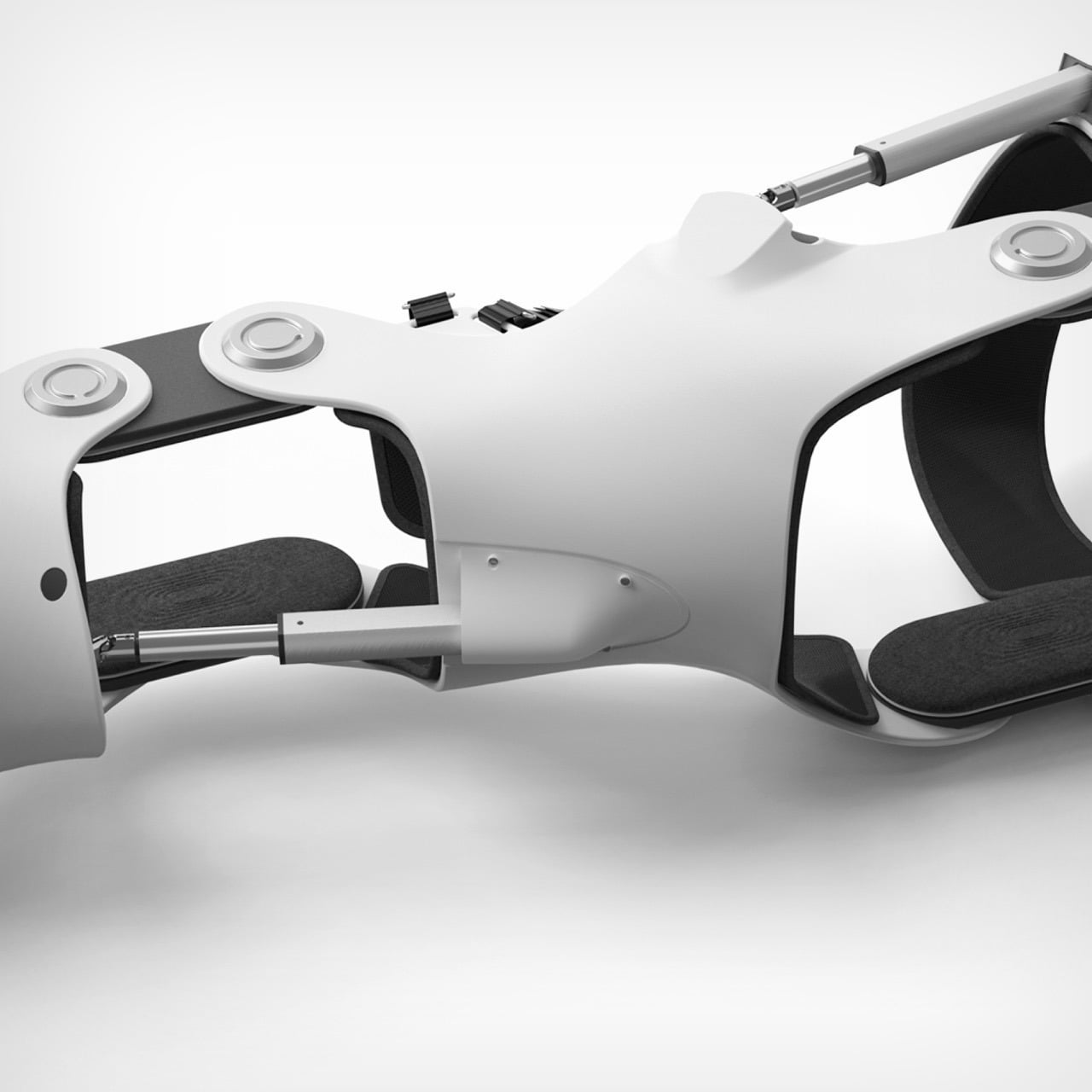
Personalization is central to the design philosophy. Every dog has a unique body, posture, and injury profile, so the exoskeleton is created using advanced 3D printing based on individual body scans. This ensures a tailored fit that distributes weight evenly and avoids discomfort. Carefully selected materials such as lightweight structural components, soft memory foam padding, and non slip contact surfaces prioritize comfort, stability, and long term wearability. This makes the device suitable not only for clinical rehabilitation but also for everyday use.
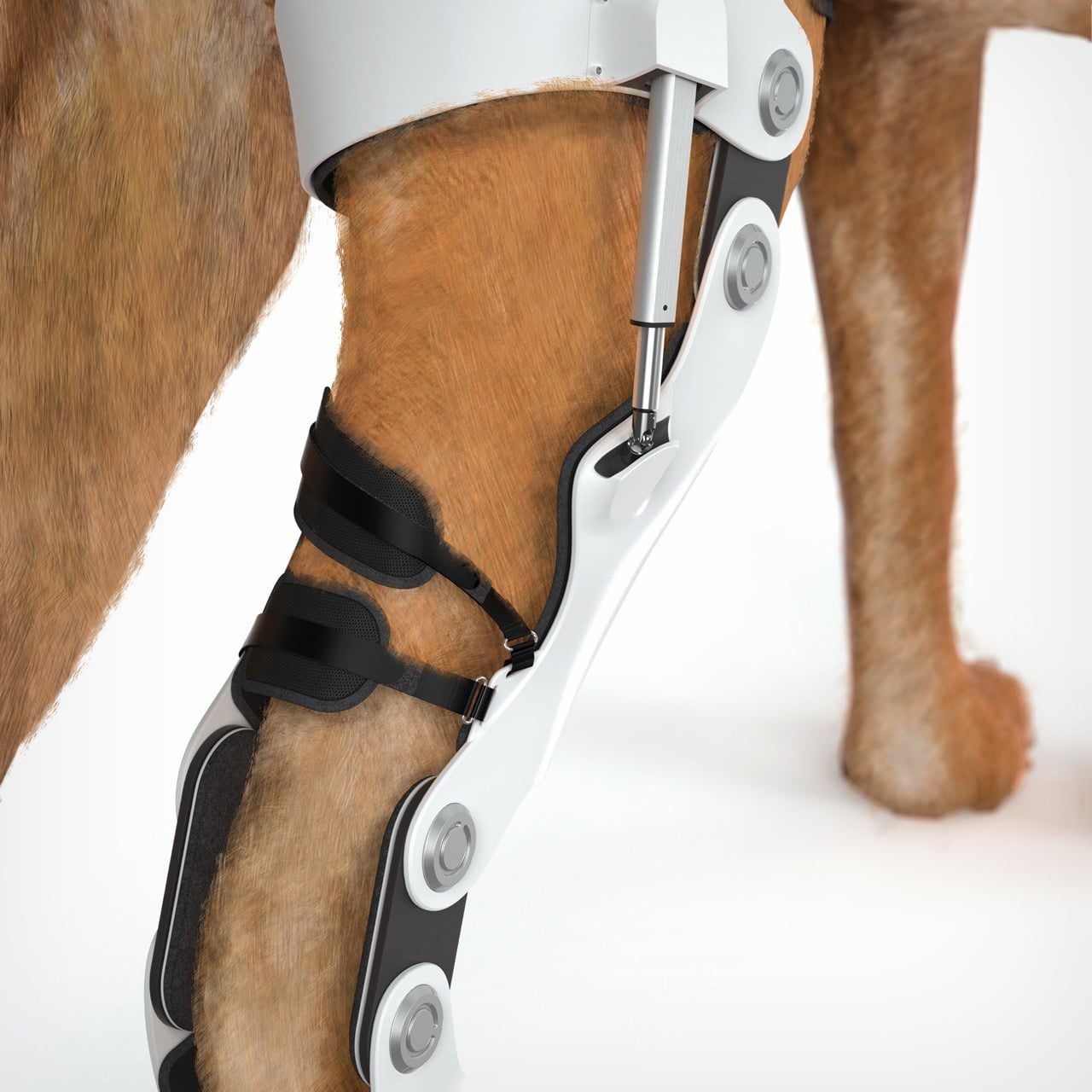
Developed between 2023 and March 2025 in Hangzhou, the project required extensive research and experimentation. One of the greatest challenges was interpreting muscle signals in animals, an area with little existing data or standardized methods. Translating raw biological signals into reliable movement predictions demanded repeated field testing, iterative modeling, and close observation of real canine behavior. Equally complex was balancing strength and comfort, designing a structure robust enough to assist movement while remaining gentle and non restrictive.
Ultimately, the Pet Power Assistive Exoskeleton represents more than a technical innovation. It reflects a shift in how we think about animal care, recognizing pets not as passive recipients of aid, but as active participants in their own recovery. By merging empathy with intelligent technology, this project restores more than mobility. It protects dignity, independence, and the simple joy of movement.
The post This Intelligent Pet Exoskeleton Helps Injured Dogs Relearn Movement on Their Own Terms first appeared on Yanko Design.
Read More . . .|
 | Tweet