There is a tension in families where someone loves to walk but sometimes forgets the way back, especially in the context of early dementia. Smartphones, maps, and tracking apps can feel overwhelming or unfamiliar, and that often leads to staying indoors instead of going out. A simpler, more tangible way to get home could unlock a lot of small, everyday adventures again, turning a daily walk from a risk into something safe and normal.
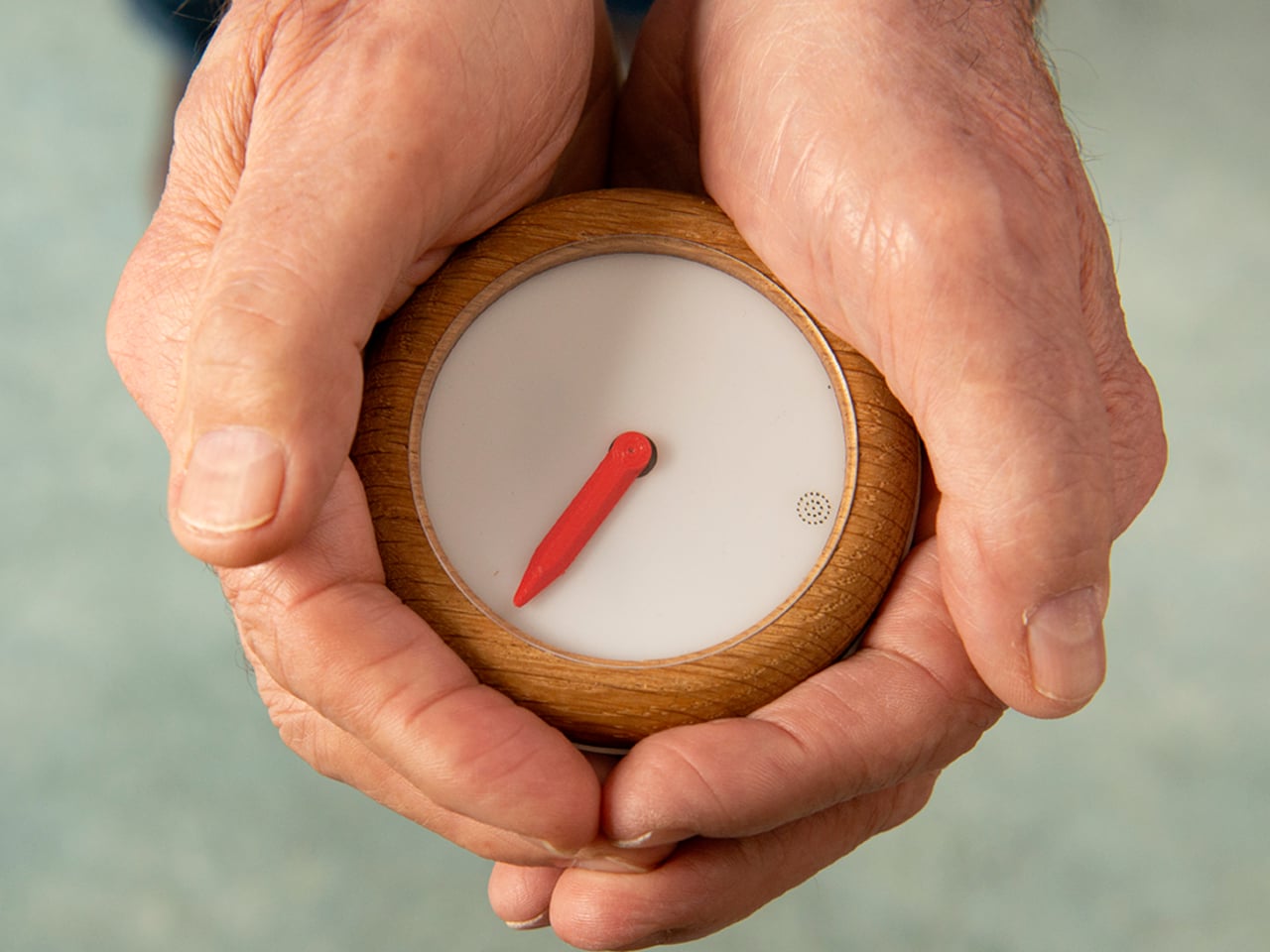
The Homing Compass by Aumens is a small wooden device with a single red arrow that always points toward a predefined home location. It looks and behaves like a stripped-down compass, no maps, no text, no menus, just one arrow with one meaning. The promise is straightforward, follow the arrow and you will get back to the place you set as home. It trades complexity for clarity, betting that radical simplicity matters more than features.
Designer: Rens Brankaert (Aumens)
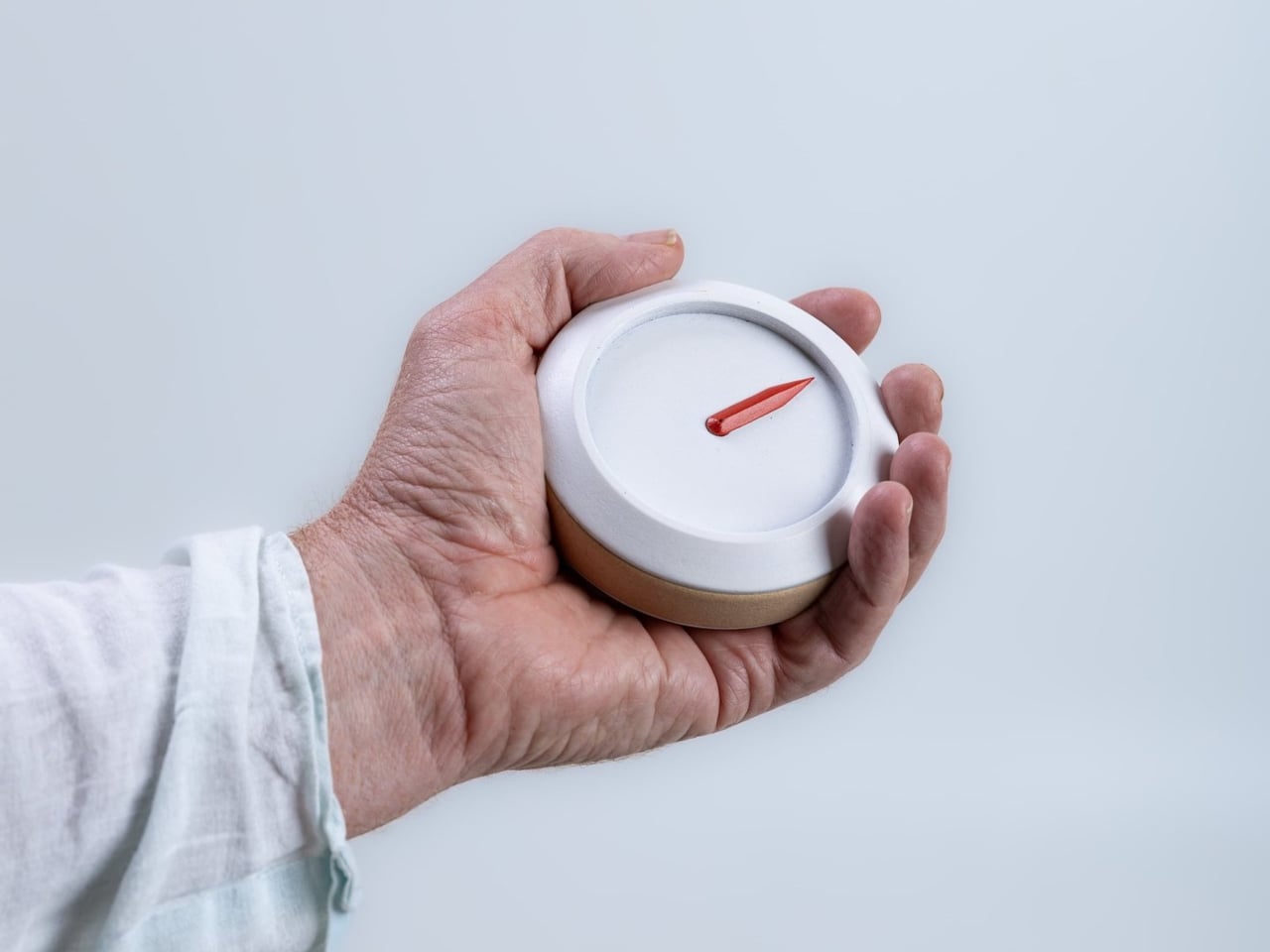
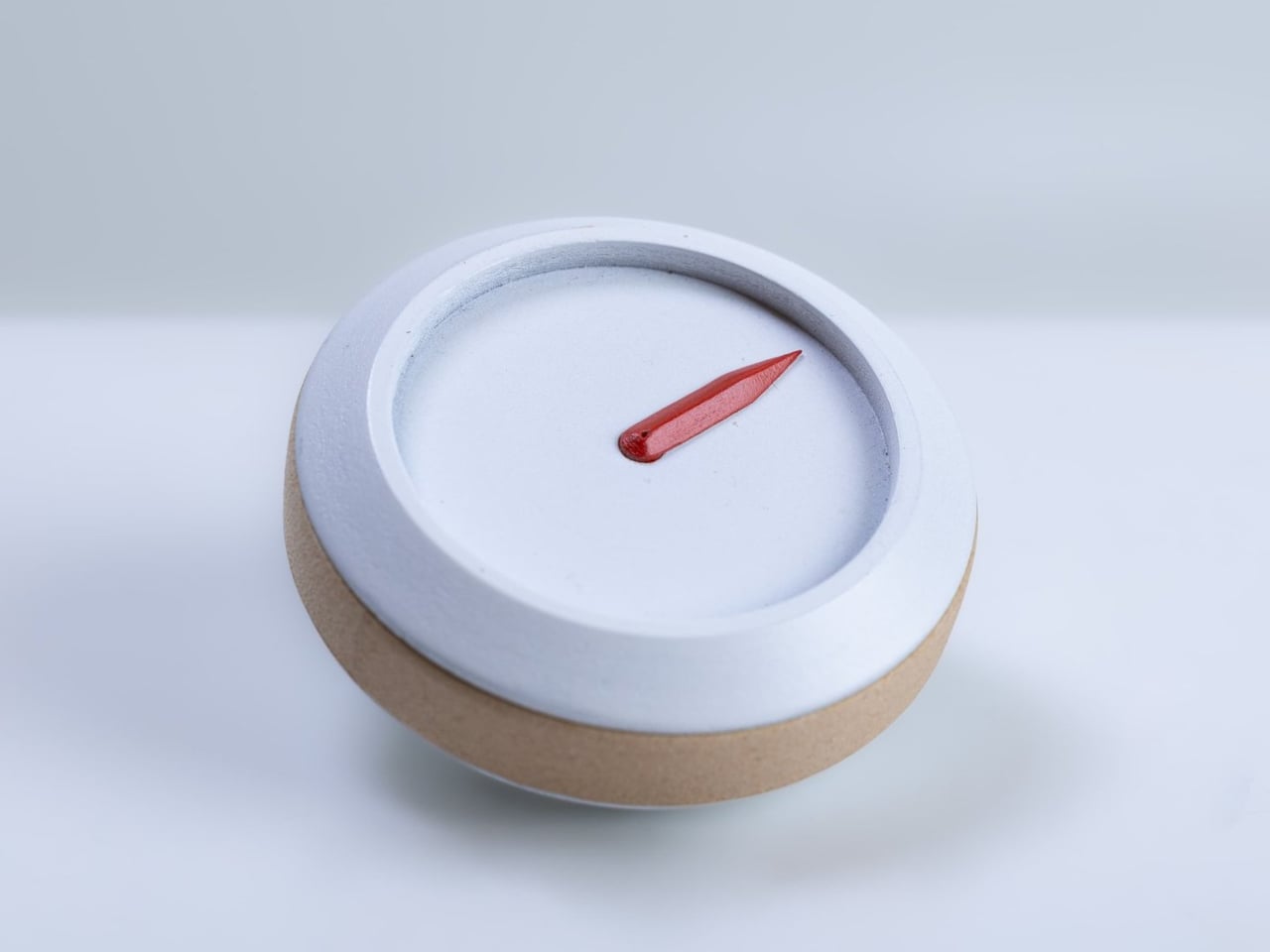
Setup happens once. You press a recessed button near your front door, the compass remembers that location as home, and from then on the arrow always points back there. There is no need to pair it with a phone every time or scroll through options. For the person carrying it, the interaction is reduced to glancing at the arrow and choosing a direction, turning a potentially frightening moment of disorientation into a quick compass check.
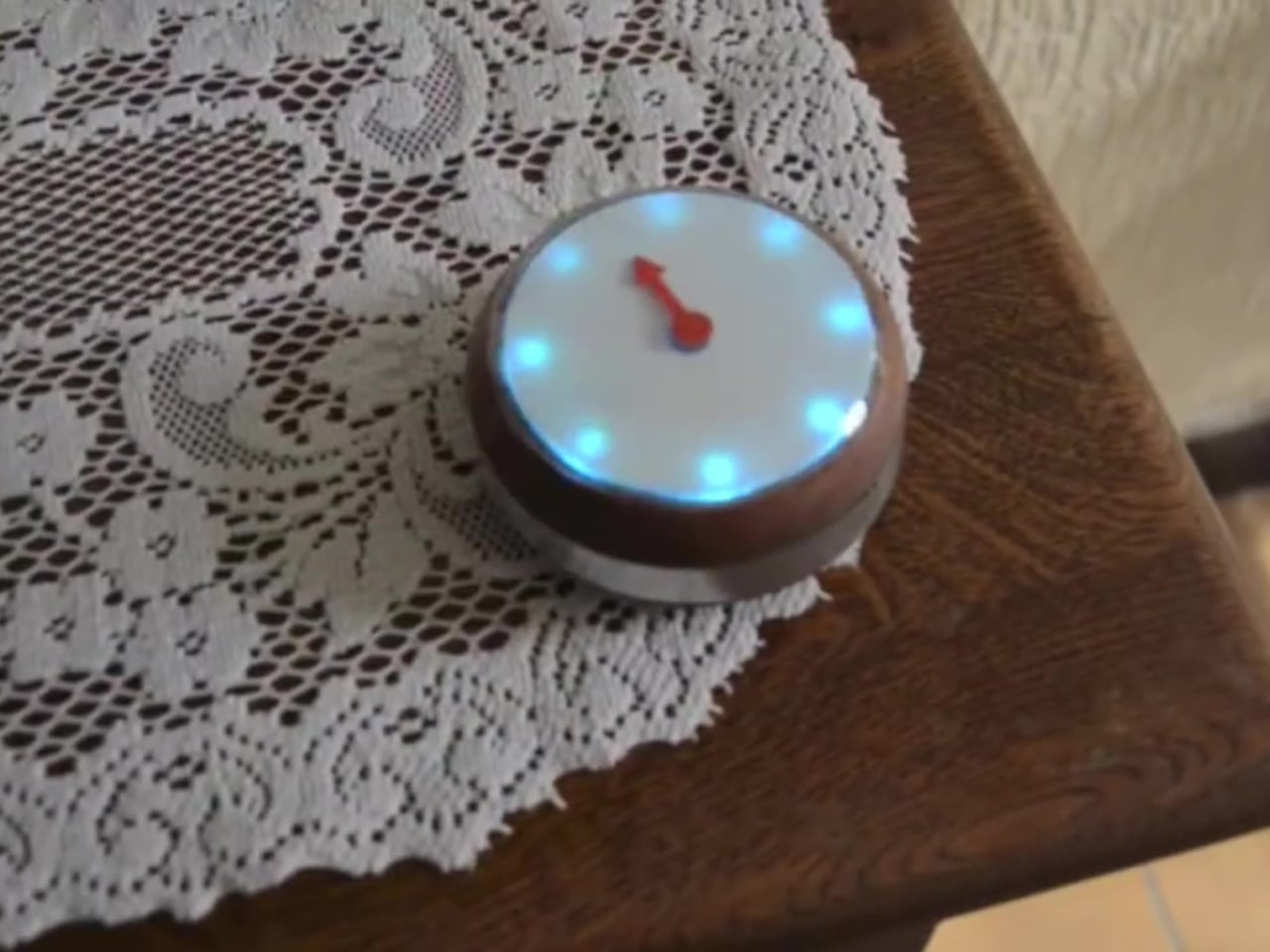
Behind that simple arrow is a full stack of GPS, internet, cloud, and an app, constantly updating the compass’s position. For caregivers, the app shows where the compass is on a map, offering reassurance without demanding constant check-ins. The complexity lives in the background, so the person walking only ever deals with the most basic navigation cue, a red line pointing home like magnetic north.
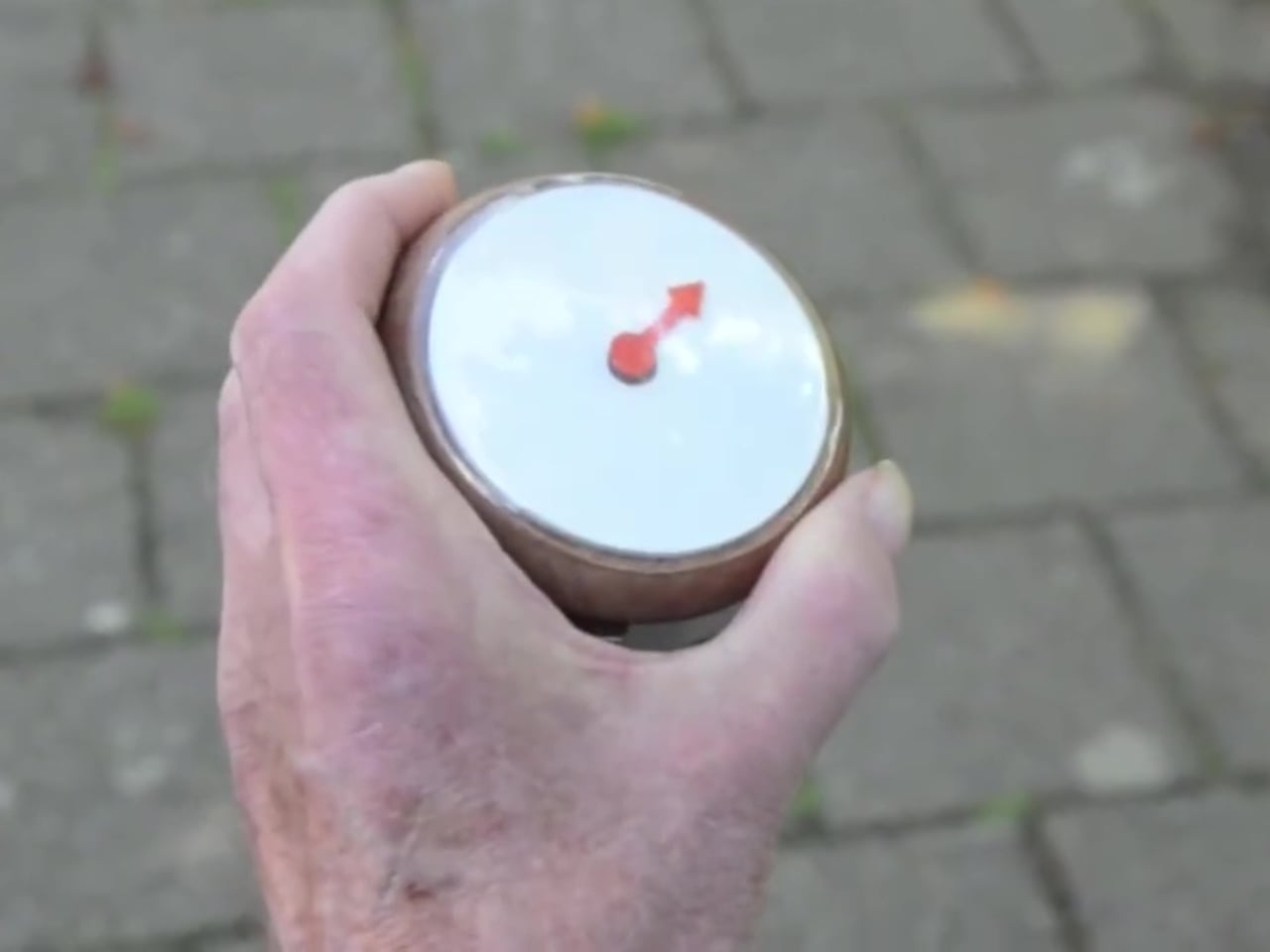

The compass can optionally vibrate or make a sound to remind someone it is there, reducing the chance it gets forgotten in a coat pocket. Accessories help keep it in view at home, so picking it up becomes part of the leaving-the-house routine. The goal is to make carrying it feel as natural as taking keys, not like strapping on a medical device or announcing a limitation to the neighborhood every time you walk outside.
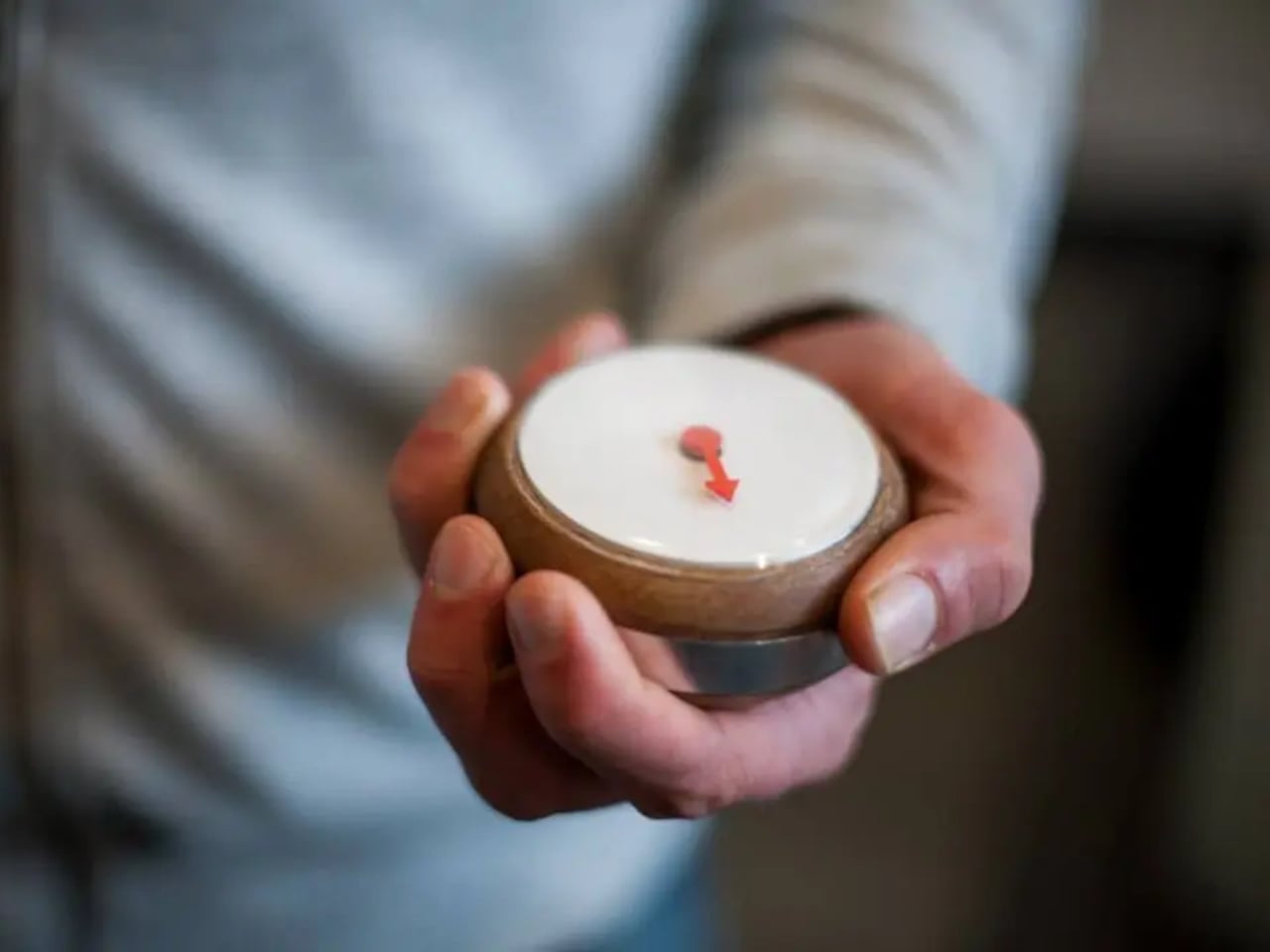
The choice of a wooden housing and analog-style arrow instead of a glossy gadget with icons makes it feel familiar and non-threatening, more like a small object you might already own than a piece of assistive technology. It sidesteps some of the stigma that can come with devices labeled for dementia, framing it instead as faithful equipment for everyday adventures, which is the language Aumens uses to describe both the device and the people who carry it.
The Homing Compass aims for an emotional shift, the person who can go for a walk in the forest or around the neighborhood without carrying a mental map, and the partner at home who can relax instead of worrying. A single arrow that always points home sounds almost too simple, but that is the point. It turns getting lost from a constant fear into a manageable, designed-for scenario, letting people reclaim the small joy of just being outside.
The post Homing Compass Lets a Single Red Arrow Always Point the Way Back Home first appeared on Yanko Design.
Read More . . .|
 | Tweet