Transparent design has moved beyond gimmick territory into something genuinely compelling. When Nothing started showing off circuit boards through clear plastic, the tech world noticed. Now that aesthetic has matured into a legitimate design movement where form and function create something worth displaying. Audio equipment benefits particularly well from this treatment because the internals actually matter to the listening experience, turning technical components into visual storytelling.
The devices here represent transparency done right. These aren’t cheap tricks or hollow shells with nothing interesting inside. Each one exposes genuine engineering, invites you to understand how sound gets made, and transforms listening into something more tactile and present. From cassette players to turntables, these designs prove that showing your work can be just as important as the work itself.
1. Sony Walkman Transparent Cassette Recorder
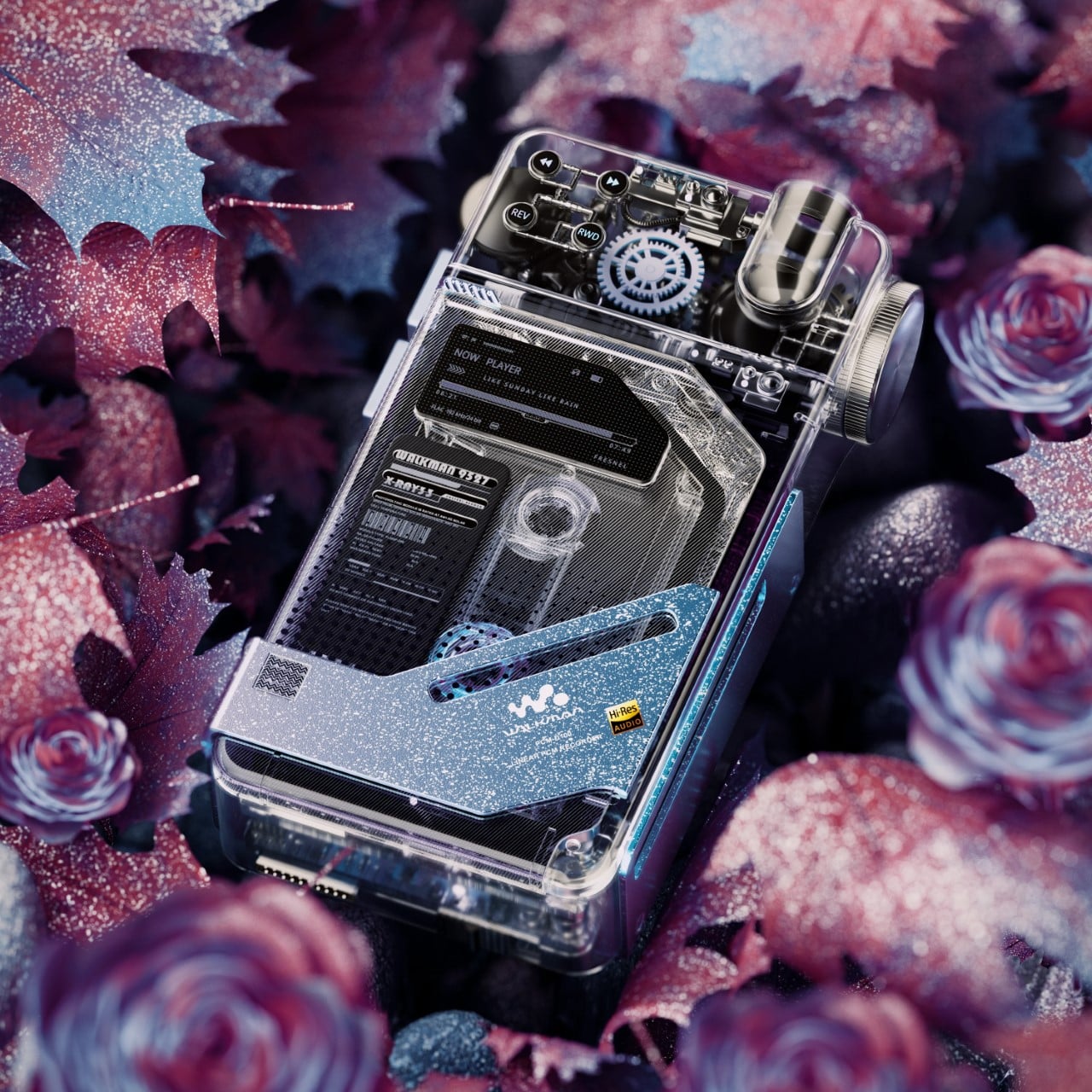
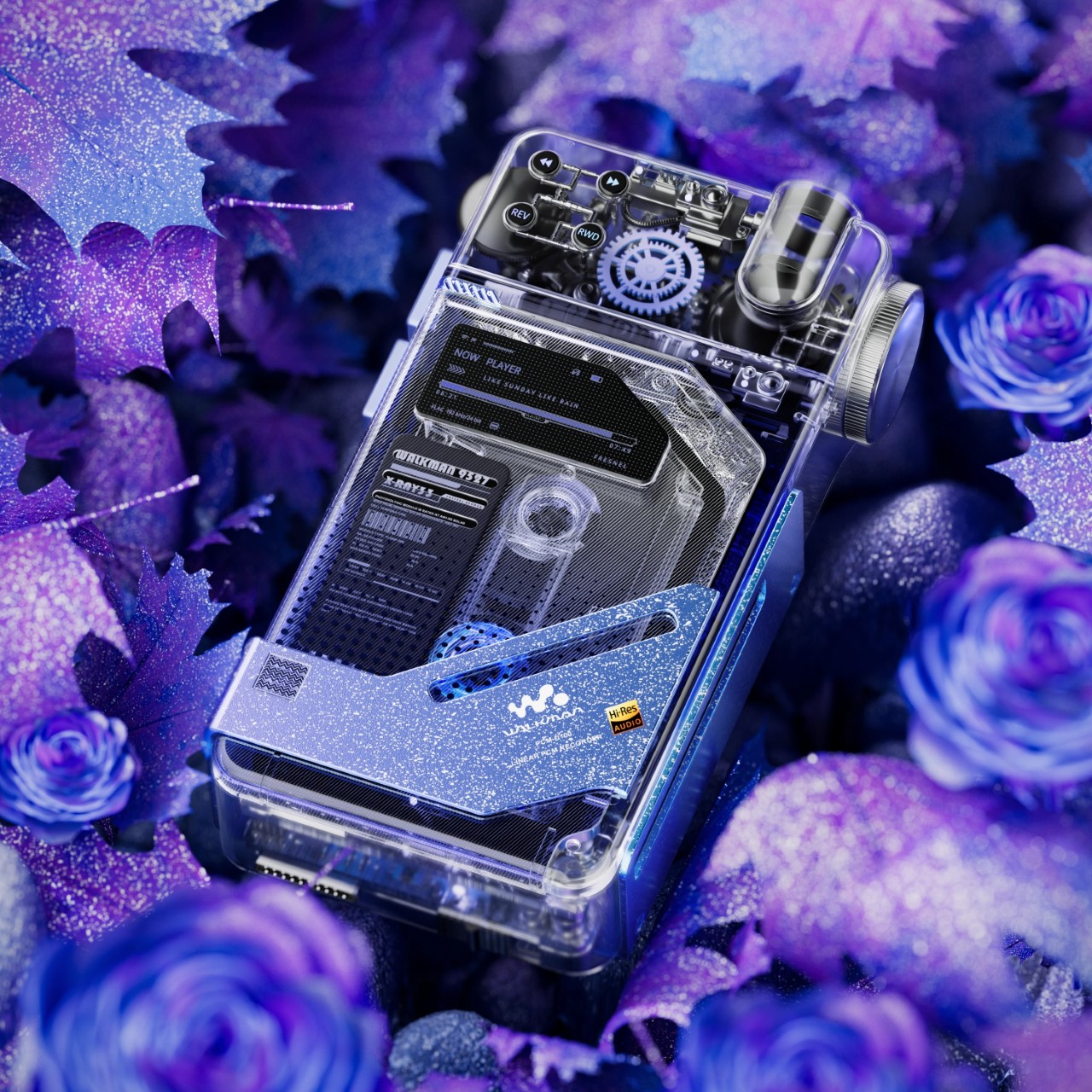
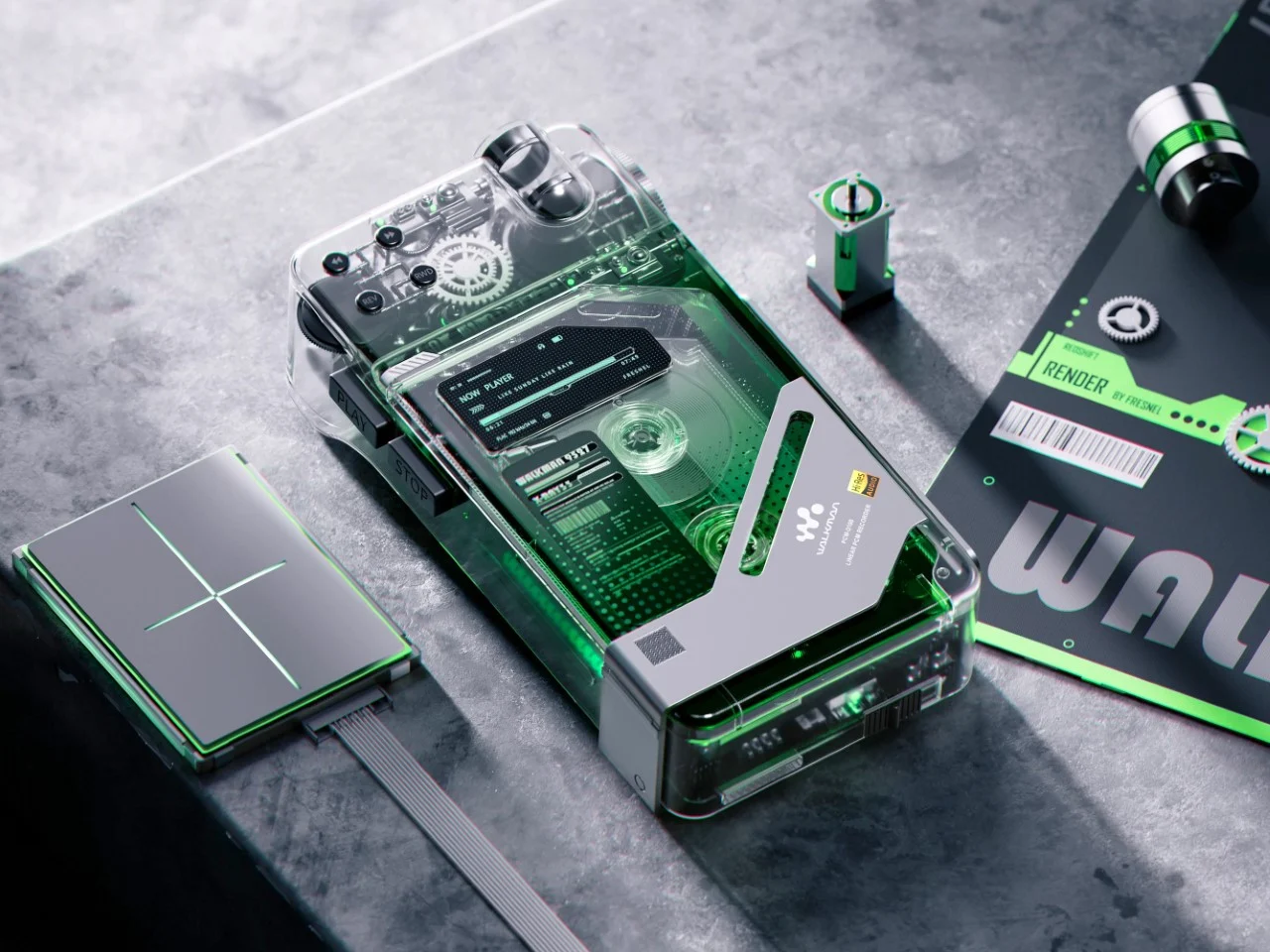
This concept recorder hits differently than most transparent tech because it understands that nostalgia needs a dose of futurism to stay relevant. The design merges Blade Runner aesthetics with classic Sony Walkman DNA, creating something that feels simultaneously vintage and impossible. That crystal-clear housing reveals every mechanical element, from the tape mechanism to those satisfying gear systems that physically move when playing. The transparency here serves a purpose beyond aesthetics, letting you witness analog technology doing its thing in real time.
What makes this particularly successful is the deliberate visual hierarchy. The top-mounted mechanical components receive showcase treatment, positioned like the exposed movement in a luxury timepiece. That digital display embedded among analog parts creates fascinating tension, suggesting computational intelligence coexisting with physical media. The miniaturized control buttons along the top edge reference 80s Sony recorders without feeling derivative, achieving that difficult balance between tactile satisfaction and modern refinement.
What We Like
- The exposed gear mechanisms turn playback into a visual performance worth watching.
- The fusion of digital display with analog components creates compelling technological contrast.
What We Dislike
- Being a concept means you cannot actually buy or use this device yet.
- The cassette format limits practical utility in modern digital workflows.
2. StillFrame Wireless Headphones

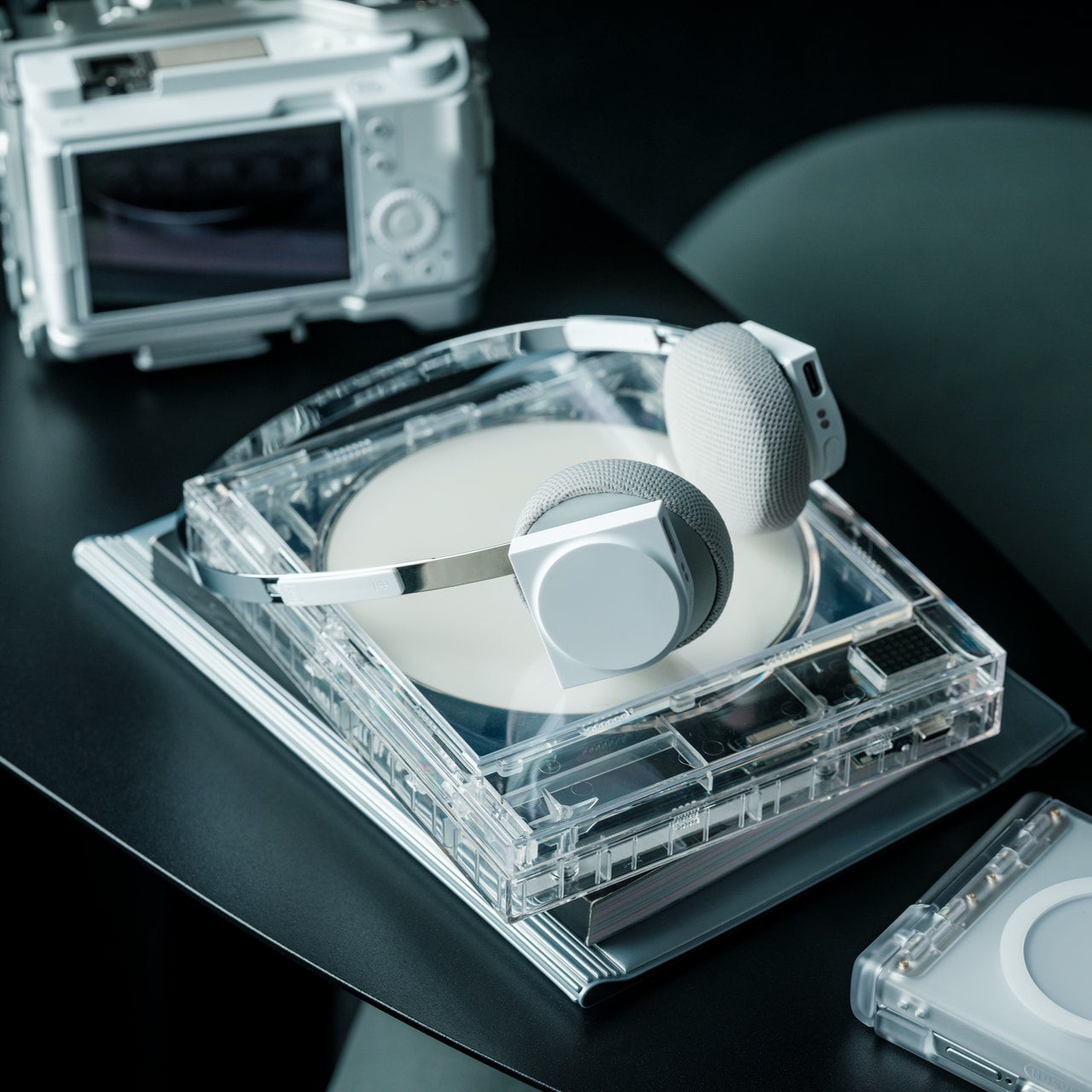
StillFrame approaches headphone design like someone who actually cares about the listening ritual rather than just the specs sheet. The transparent housing exposes the internal circuit board deliberately, treating technology as part of the experience instead of something requiring concealment. That exposed engineering dialogue with the geometric form creates visual interest without resorting to aggressive gaming aesthetics or needless embellishment. The design philosophy echoes those geometric CD cases from the 80s and 90s when physical media demanded intentional shelf presence.
The 40mm drivers deliver a wide, open soundstage that prioritizes melodic texture and spatial awareness. At 103 grams, these feel nearly weightless during extended wear, managing to maintain presence without physical pressure. The magnetic fabric ear cushions swap easily, with each white model including light gray and turquoise options for subtle personalization. That stainless steel headband achieves the ideal strength-to-weight ratio, while the housing fuses circular and square geometry in understated harmony.
Click Here to Buy Now: $245.00
What We Like
- The magnetic ear cushion system makes swapping colors satisfying and effortless.
- The 24-hour battery life eliminates constant charging from your routine.
What We Dislike
- The exposed circuitry might collect dust more readily than sealed designs.
- The geometric aesthetic will not appeal to those preferring minimalist simplicity.
3. ClearFrame CD Player
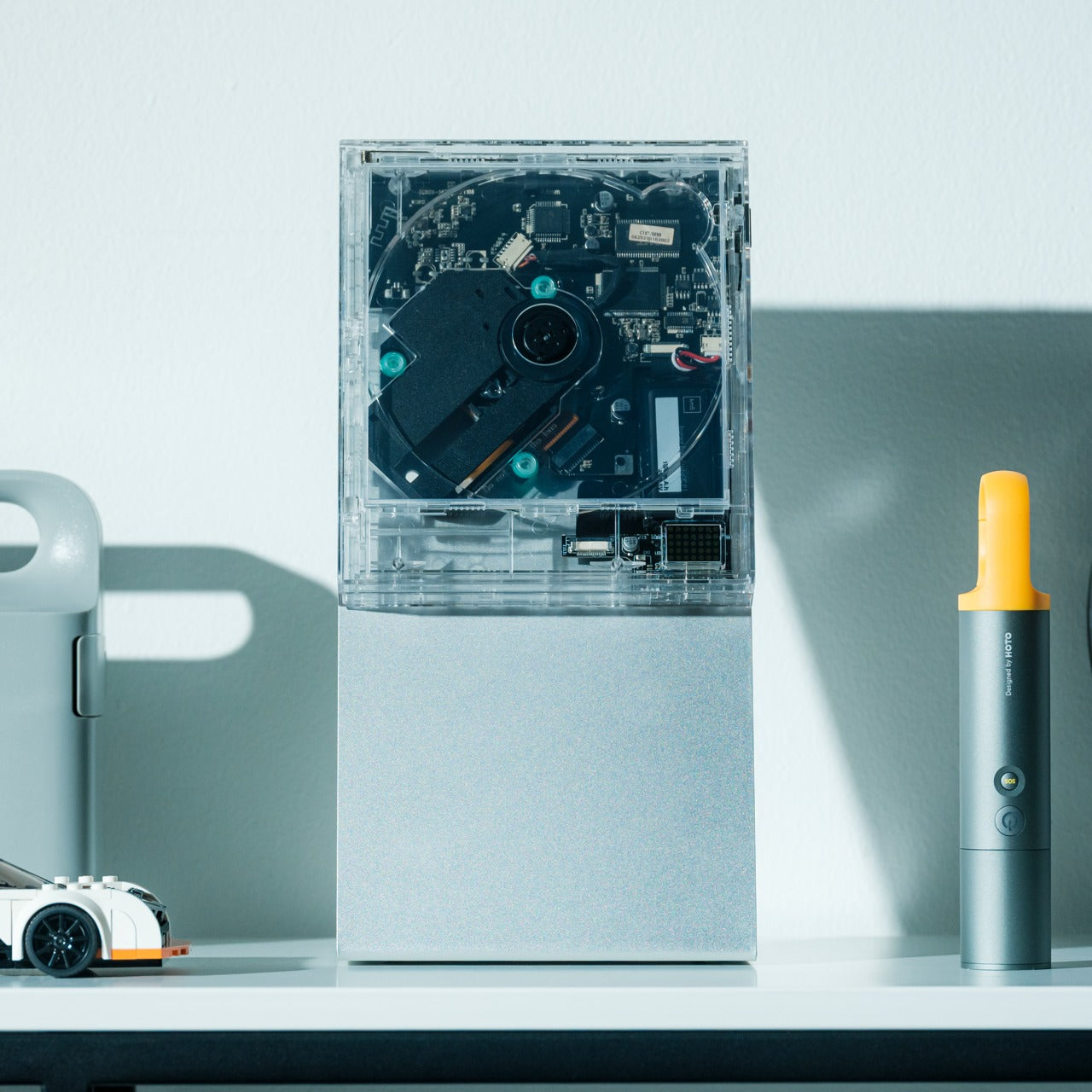
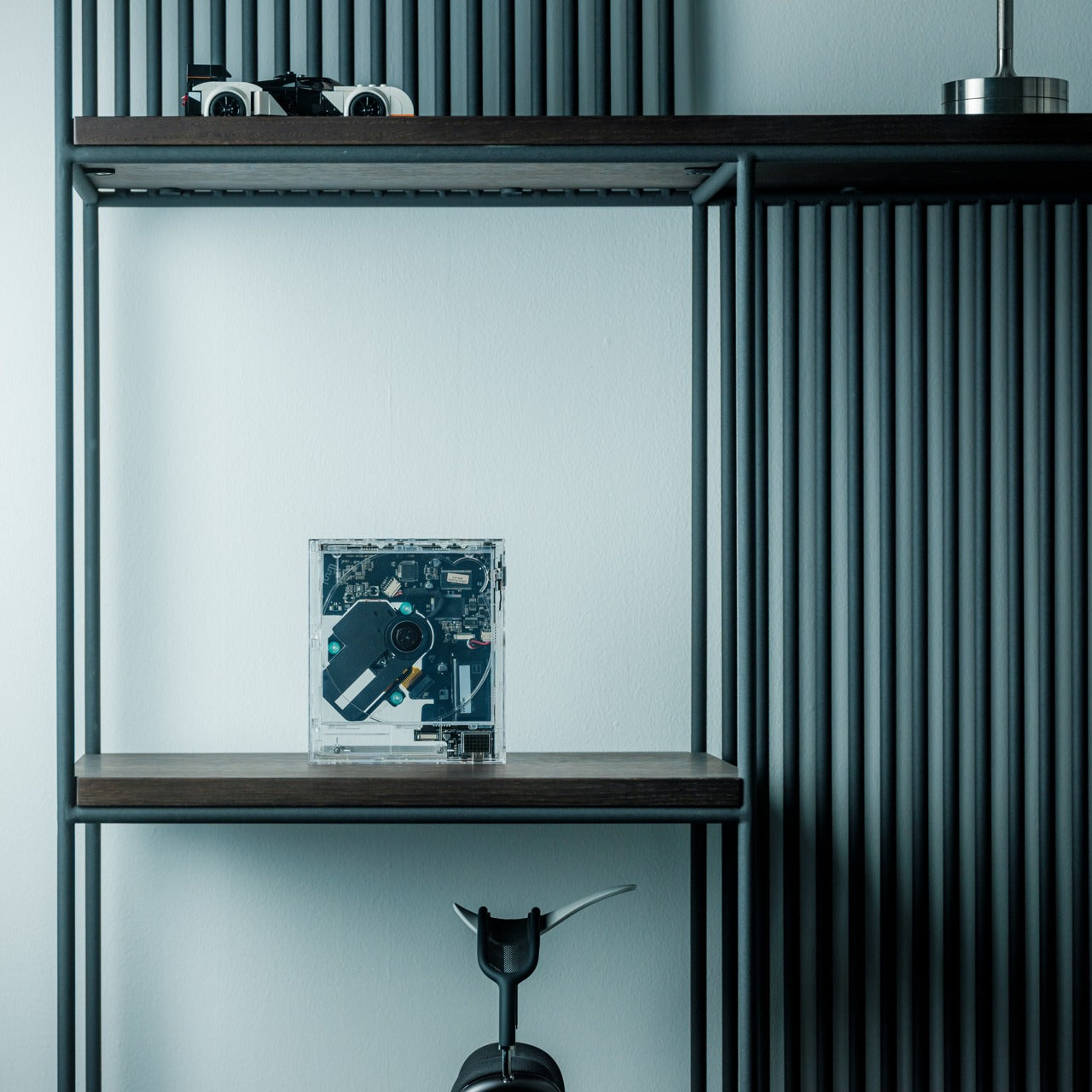
ClearFrame treats compact discs like the miniature art exhibits they always deserved to be. That square polycarbonate body frames each album cover while exposing the black circuit board inside, turning engineering into intentional visual design. The transparent construction creates what feels like a crystal sculpture housing an analog soul, where every component receives showcase treatment. This approach transforms music playback from background activity into something more ceremonial and present.
The design accommodates multiple mounting options, functioning equally well on shelves, desks, or walls. That versatility means the player adapts to your space rather than demanding specific placement. The exposed circuitry invites small moments of discovery with each glance, revealing how digital information gets extracted from physical media. Bluetooth 5.1 support extends playback beyond the device itself, while the seven-hour rechargeable battery enables portability when needed.
Click Here to Buy Now: $199.00
What We Like
- The wall-mounting capability transforms music into room decor.
- The exposed circuit board turns technical components into deliberate visual interest.
What We Dislike
- The seven-hour battery life feels limited for extended portable use.
- CD format restricts compatibility with modern streaming workflows.
4. Side A Cassette Speaker


This pocket-sized speaker commits fully to the cassette aesthetic without feeling like cheap nostalgia bait. The transparent shell and Side A label treatment reference actual mixtapes, but the Bluetooth 5.3 connectivity and microSD support reveal modern functionality hiding inside. That clear case doubles as a stand, transforming this from pocket carry into deliberate desk presence. The compact form factor makes this surprisingly versatile, functioning equally well for personal listening or small gatherings.
The sound signature aims for warmth rather than clinical precision, evoking analog tape playback characteristics within obvious physical constraints. MicroSD support enables offline playback without requiring constant wireless connectivity, useful for locations with spotty coverage or when preserving phone battery matters. The cassette styling walks the line between homage and parody, landing somewhere that feels genuine rather than ironic.
What We Like
- The sub-fifty-dollar price point makes this an accessible impulse purchase territory.
- MicroSD support enables completely offline music playback without phone dependency.
What We Dislike
- The compact size limits bass response and overall volume capabilities.
- The cassette format may seem gimmicky to those uninterested in retro aesthetics.
5. Audio-Technica AT-LPA2 Transparent Turntable
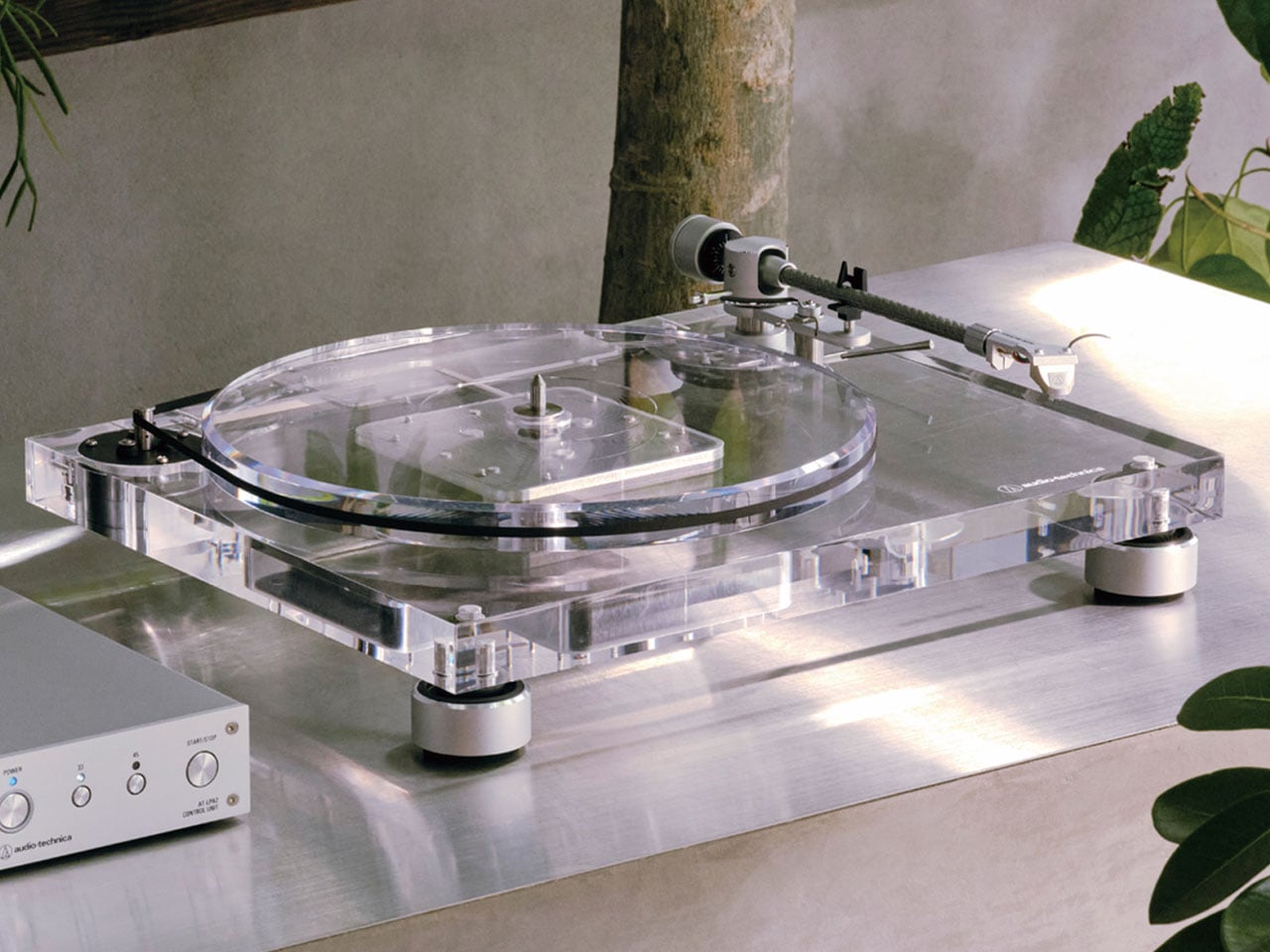
Audio-Technica’s transparent turntable represents serious engineering disguised as a design experiment. That 30mm-thick high-density acrylic body and 20mm acrylic platter serve technical purposes beyond aesthetics, with material density providing vibration damping that reduces unwanted resonance. This production version evolved from the limited-edition AT-LP2022 anniversary model, incorporating structural refinements aimed at reliable high-fidelity analog playback. The transparent construction challenges conventional turntable aesthetics without compromising performance expectations.
The visual impact hits immediately. Where most turntables hide mechanisms beneath wood veneer or matte finishes, this model exposes everything. That transparency transforms the tonearm, platter, and motor into focal points rather than concealed components. The minimalist appearance suits modern interiors while maintaining the gravitas expected from serious audio equipment. The acrylic construction communicates both fragility and precision, suggesting careful engineering rather than mass production.
What We Like
- The thick acrylic construction provides functional vibration damping alongside visual impact.
- The exposed mechanisms transform turntable operation into observable performance.
What We Dislike
- The transparent acrylic shows dust and fingerprints more readily than traditional finishes.
- The premium materials and construction likely command higher prices than conventional turntables.
The Return of Visible Technology
Transparent audio design represents more than an aesthetic trend. These devices signal shifting attitudes toward technology, where understanding how things work matters as much as what they do. The movement away from black boxes toward exposed engineering suggests audiences want relationships with their devices beyond mere utility. When you can see gears turning or circuit boards processing, technology becomes less abstract and more tangible.
The best transparent designs balance revelation with restraint. These five devices expose internal workings without overwhelming the core function of delivering quality sound. They remind us that audio equipment serves both sonic and spatial roles, existing as functional tools and visual objects simultaneously. That dual purpose elevates listening from background activity into something more intentional and present, worth both hearing and seeing.
The post 5 Best Transparent Audio Devices That Show What’s Inside first appeared on Yanko Design.
Read More . . .|
 | Tweet